我最爱的云南咖啡,终于有货了 My favorite Yunnan coffee is finally in stock
春节临近,大家都抢到回家的票了吗?
作为一枚咖啡瘾重度患者,我这几天在收拾的时候,特意先把之前在魏老师那囤的咖啡挂耳装进行李箱里。
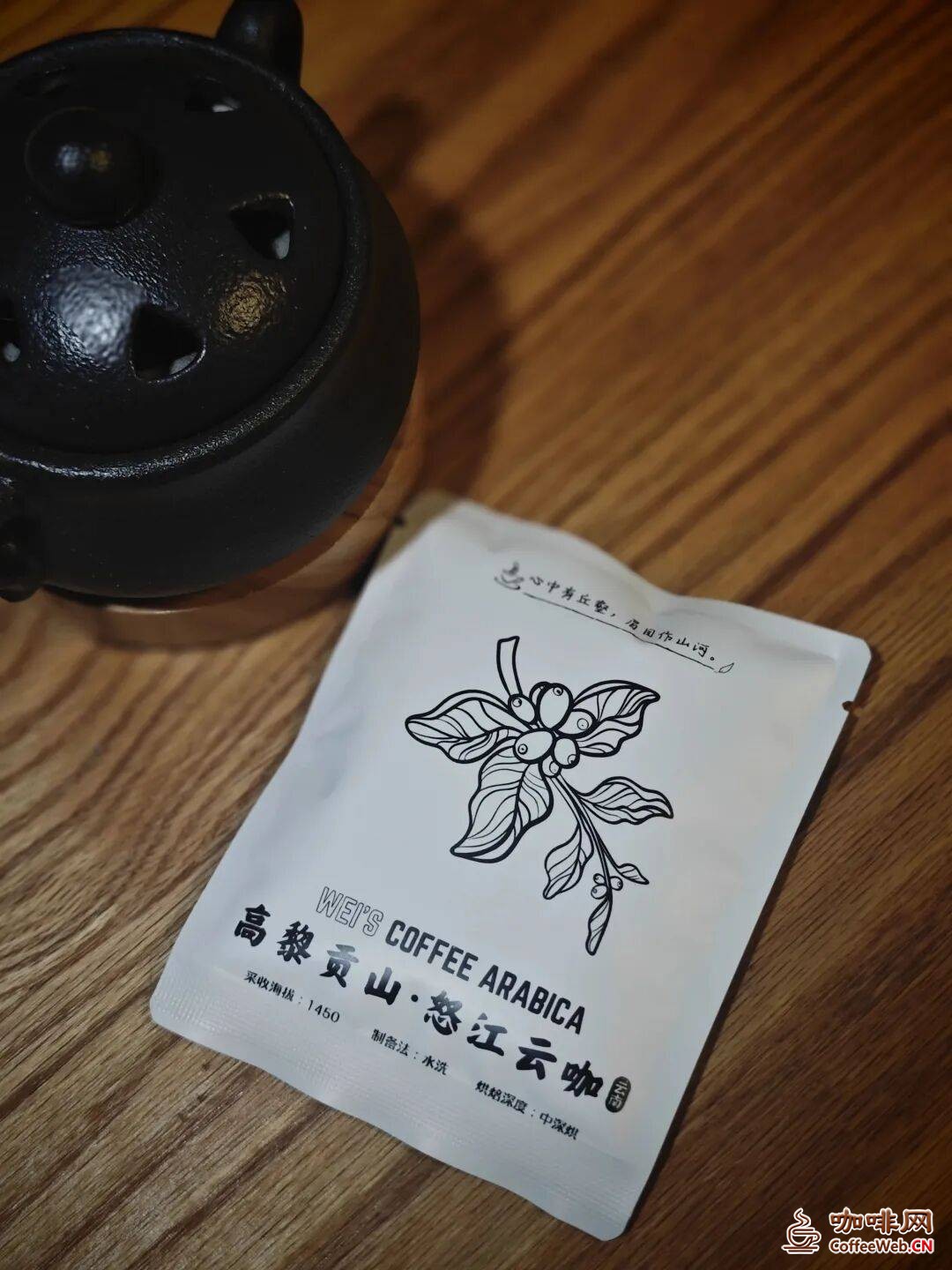
这款挂耳,精选云南「铁皮卡」咖啡豆,中深烘焙,喝起来带有巧克力香气,酸甜均衡,几乎没有苦涩。
一盒10袋,方便冲泡和携带,很适合作为口粮日常饮用。这样就不用担心春节期间老家的咖啡店不营业了。

大家如果跟我们的Citywalk路线,应该对魏老师有点印象。
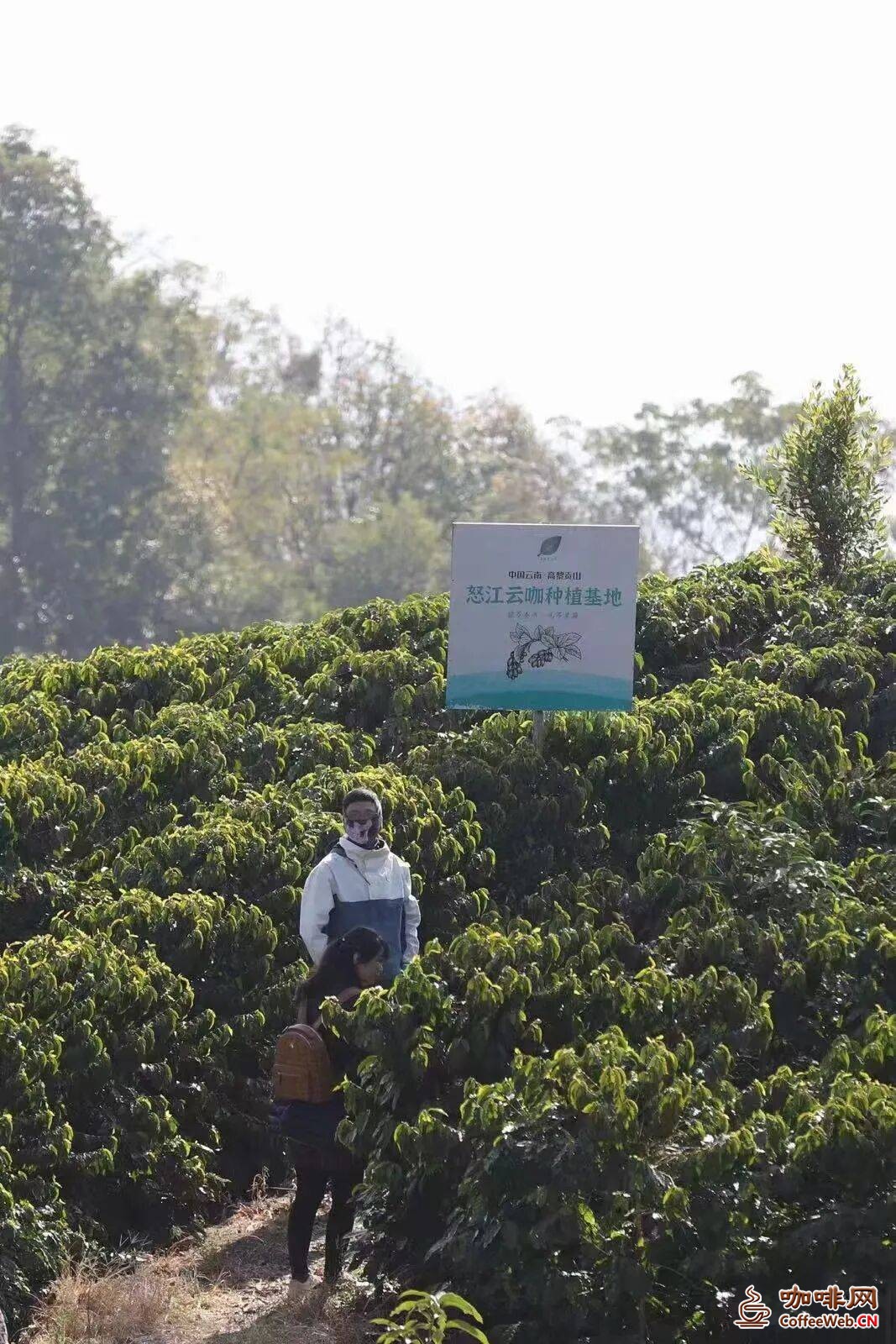
他是我们的好朋友,也是专业的Citywalk导师。
因为对云南人文和咖啡的热爱,
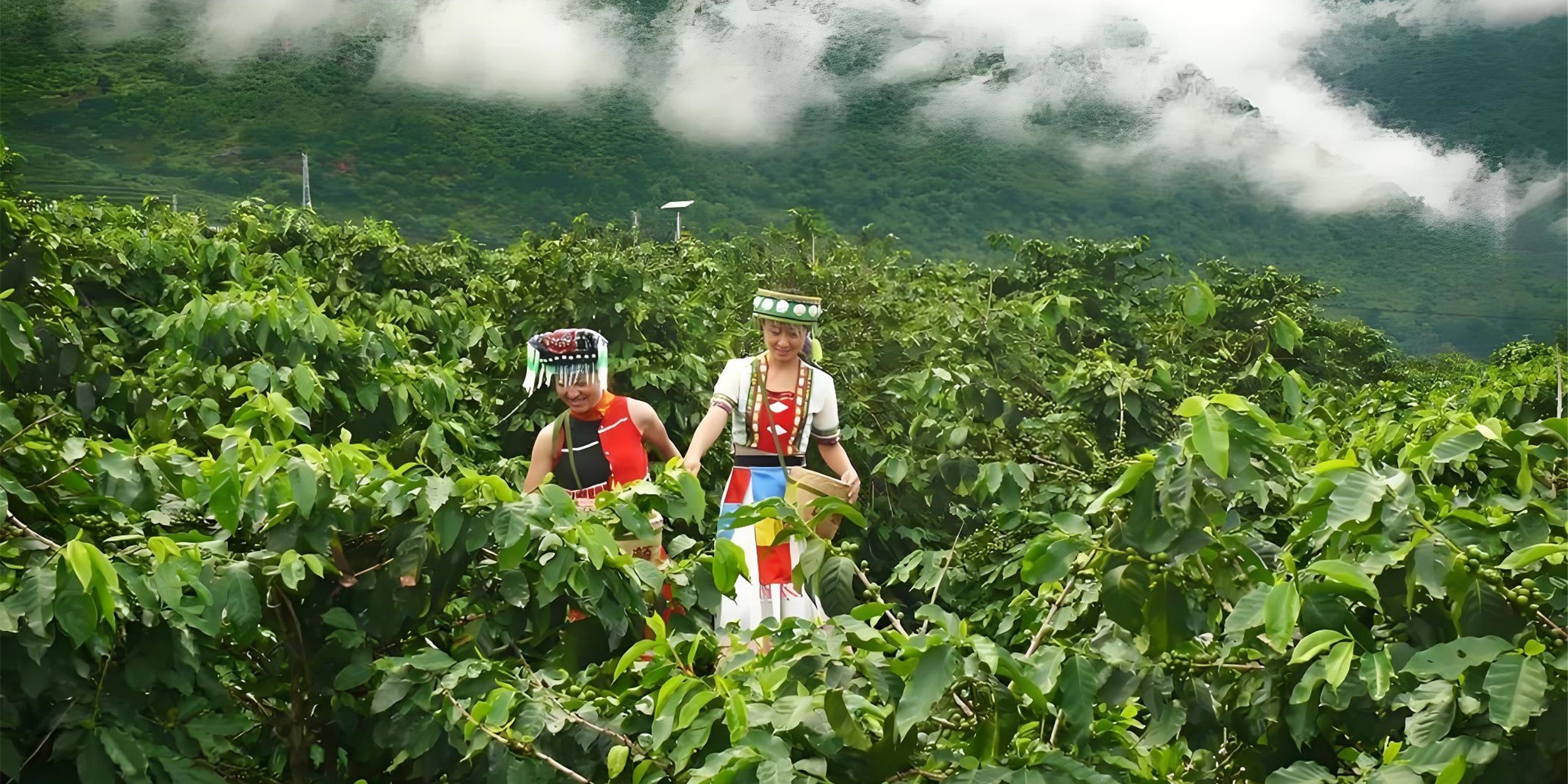
几年前,他在高黎贡山的山谷里,包下了一片咖啡园。
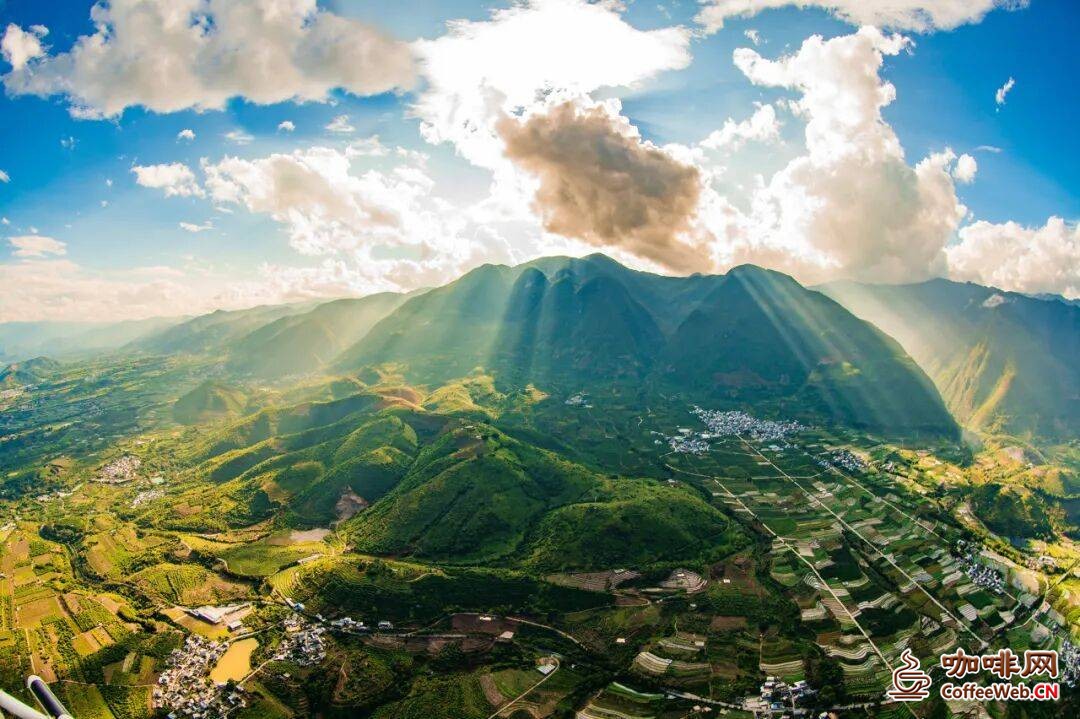
| 云南保山秘境高黎贡山。
用他的话说,要遇见,中国最好的咖啡。
要知道,中国99%的咖啡,都来自云南。
云南咖啡馆的出现,甚至要早于上海。
四大主要产咖啡的城市,除了我们前两天发的普洱,
还有临沧、德宏,以及保山。
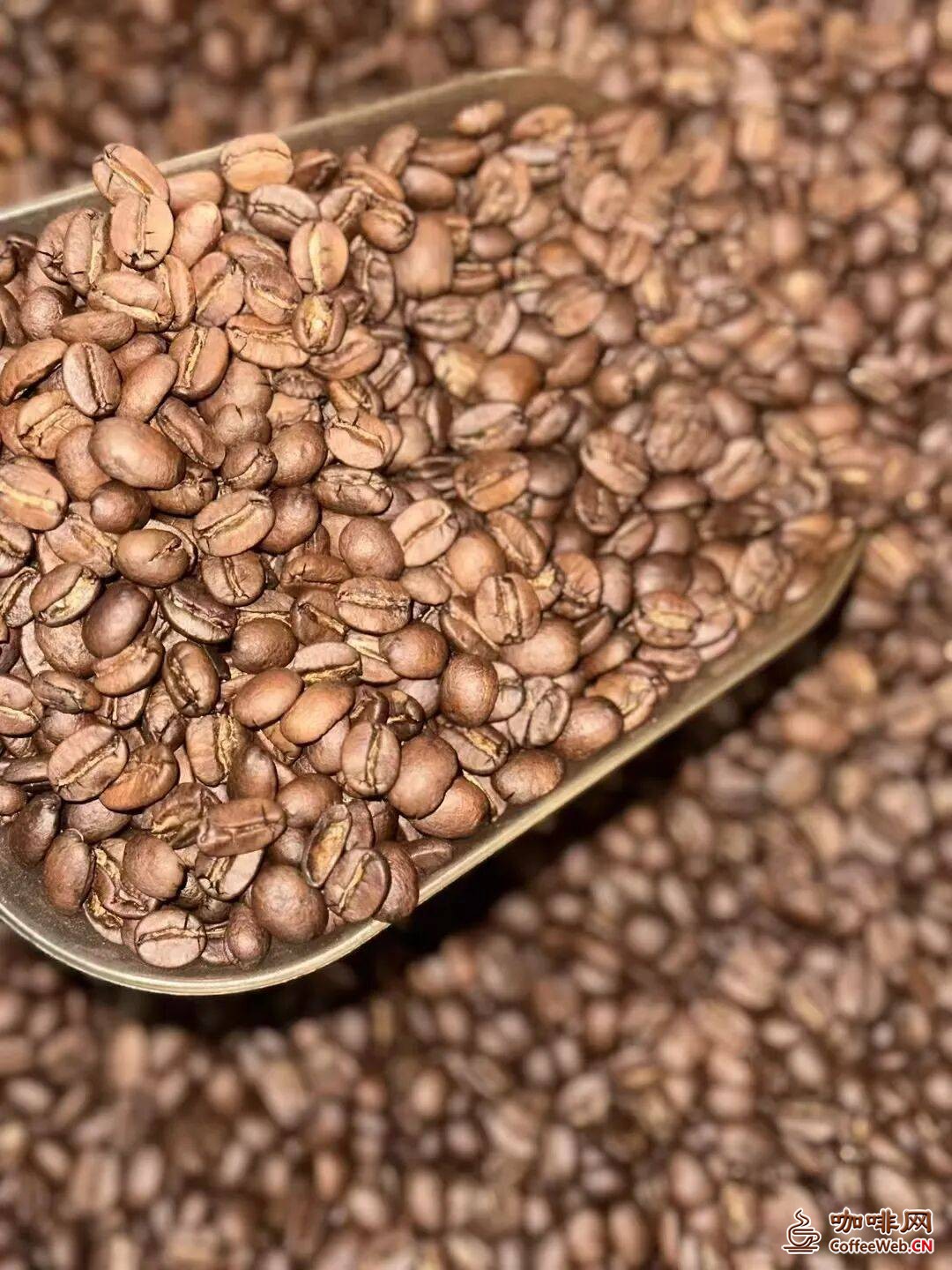

早在1993年,保山小粒咖啡就获得了第42届世界尤里卡金奖。
至今,仍是全国唯一获得过世界金奖的咖啡。
从这个层面上来说,
「中国最好的咖啡」,就在保山。
而中国咖啡,也开始从这里走向世界,
打破了众多咖啡消费者对中国咖啡的偏见。
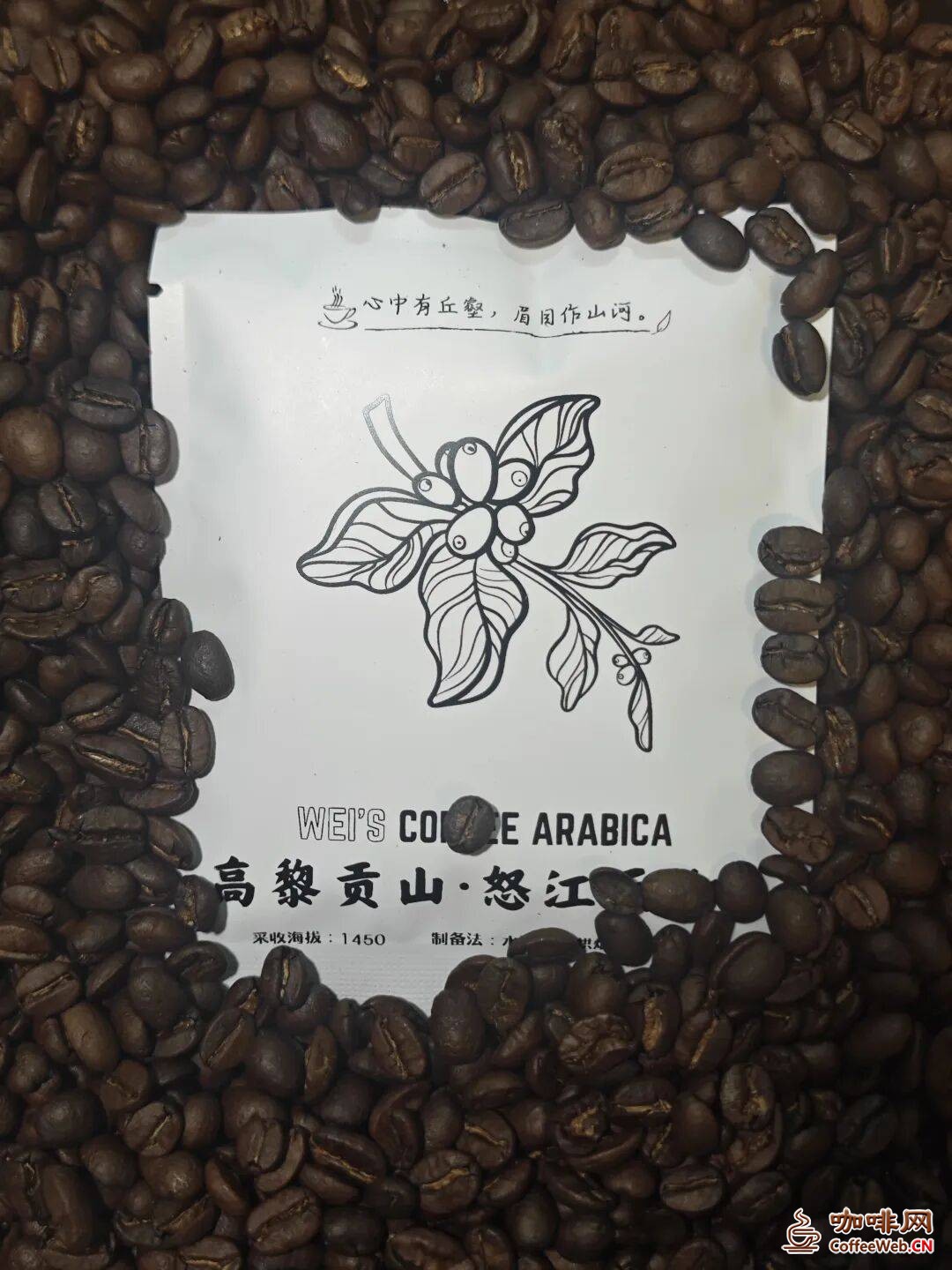
赶在快递停发前,给大家准备了最新一批的咖啡挂耳,限时开团至2月11日。
可以随身携带的“迷你咖啡馆”
点击下方小程序入手
01
为什么要在高黎贡山种咖啡
想把自己当记者那几年,在全国、世界各地吃过的、看过的东西记录下来。
这是魏水华创立“食味艺文志”的初衷。
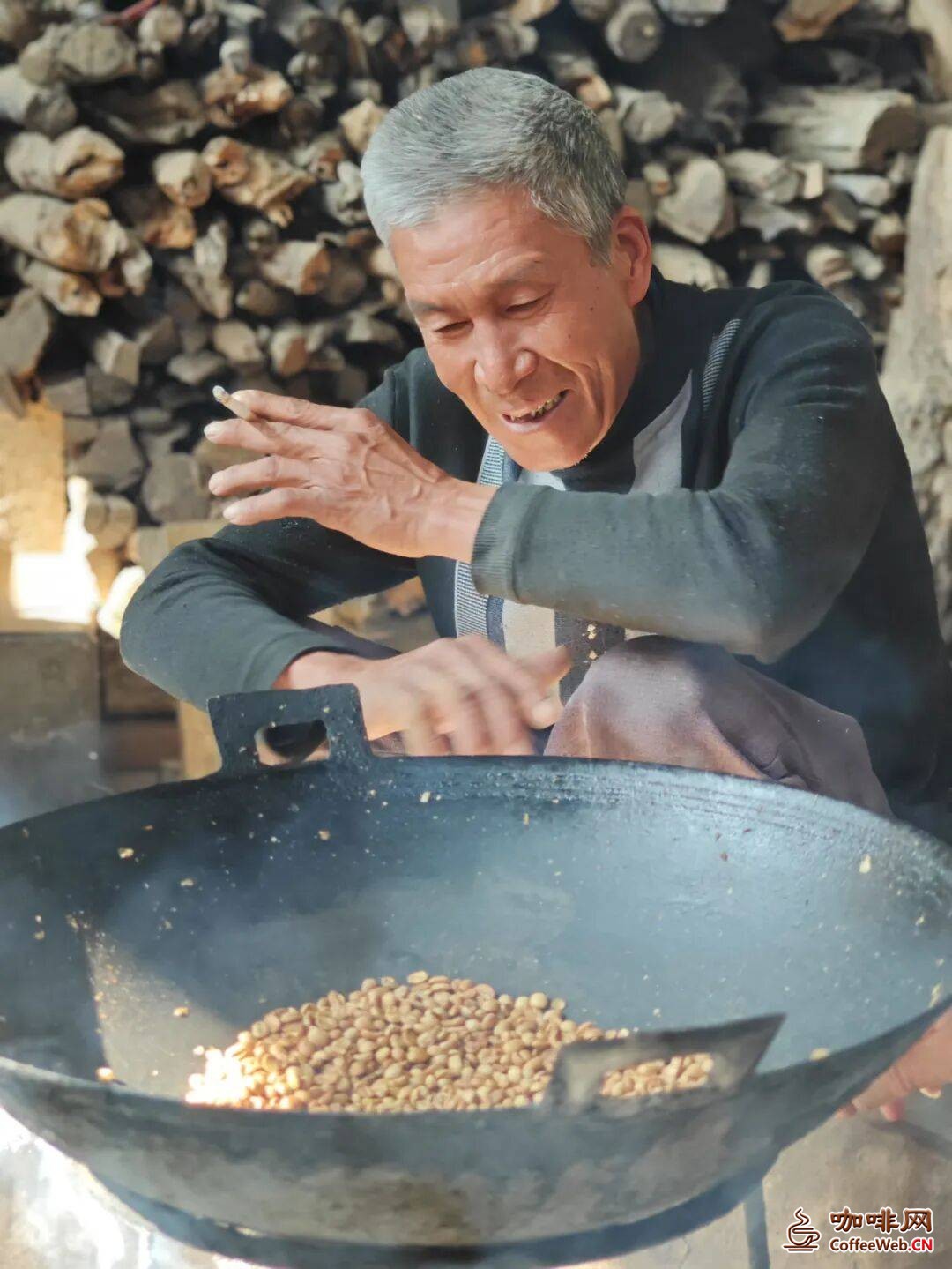
起初,来到云南保山的目的,只是为了寻找中国的咖啡故事。
可当走进高黎贡山的河谷,深入这里的村庄后,魏水华就被这里丰富多元的民族特色、神奇的地理风物迷住了。
「我觉得,如果人有宿命的话,这片怒江边、高黎贡山下的土地,就是我的宿命之地。」
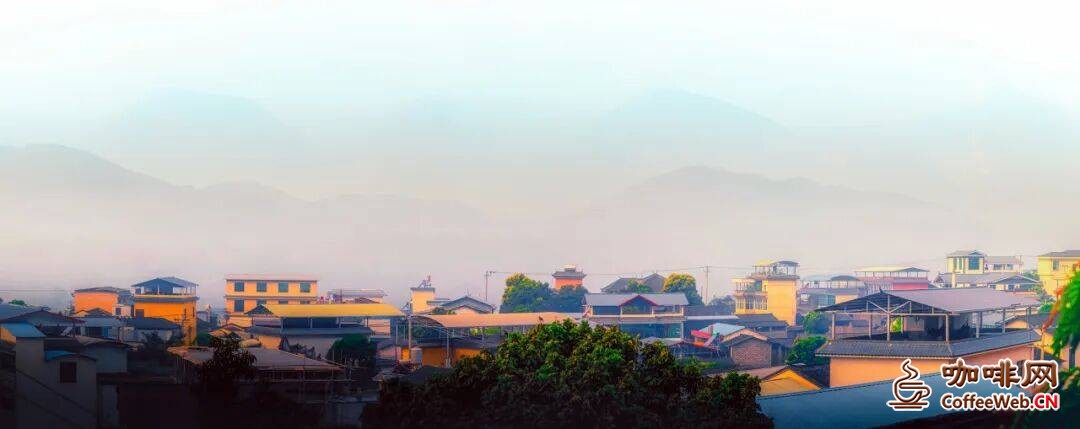
命运的齿轮,就这样,推向了那个中缅边境的小村庄。
在海拔500米的傣族竹木楼里,尝了口感香糯的老品种糯米饭、怒江里的烤鱼和各式各样的水果;
和傣族老乡们一起祭祀了菩提神树,亲眼见到了傣族老乡家里供养的,南传佛教里神秘的“古曼童”。
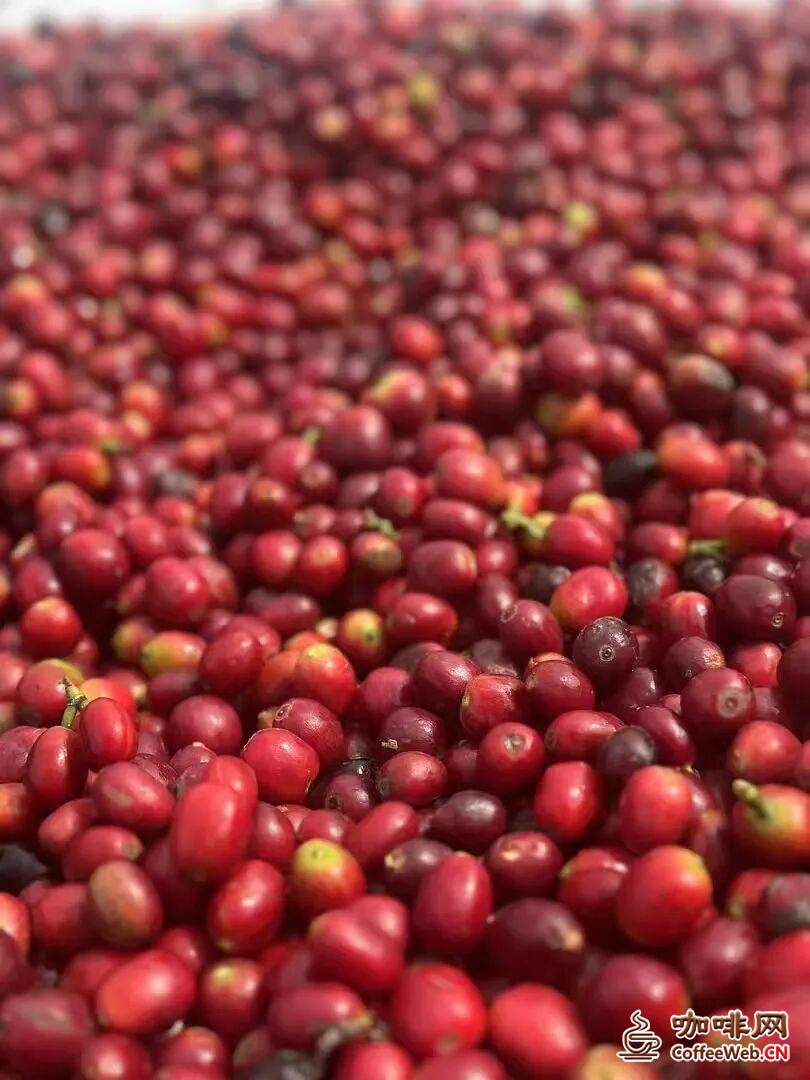
在海拔2000多米的傈僳族瓦屋老寨里,尝了漆树籽油炖的土鸡、蜂农采回来不到半天的悬崖蜜和当年新摘的咖啡;
来到村里的教堂,参加了傈僳族的礼拜和圣餐,听村里的牧师讲述了当初英国传教士把文字、医学、咖啡、火鸡,以及一整套生活方式带到滇西边疆的往事。
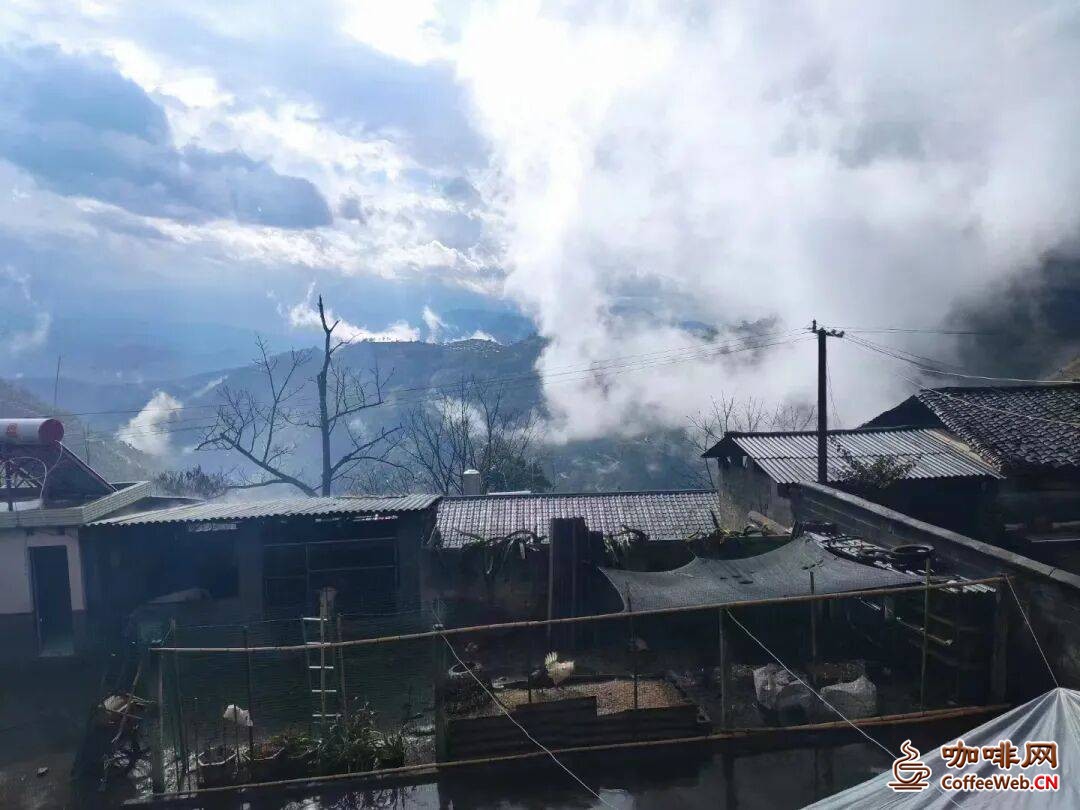
走了十几个山头之后,他决定停下来。
向傈僳族的老乡们承包了一片能看得见怒江的、向阳的土地,
开始了这段云南咖农历程。
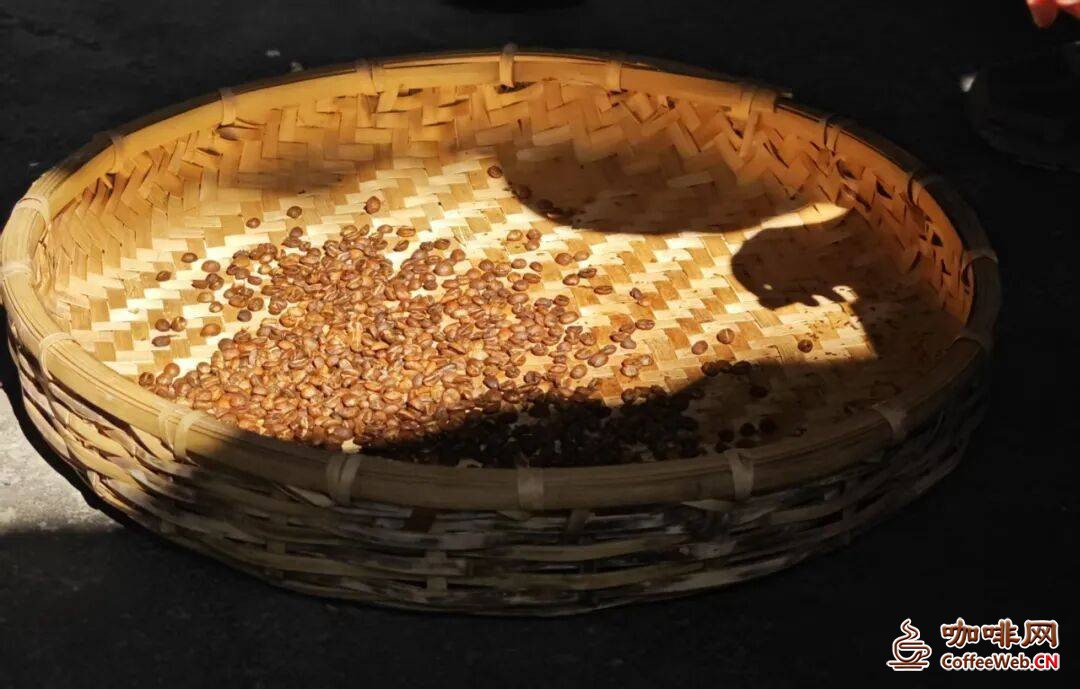
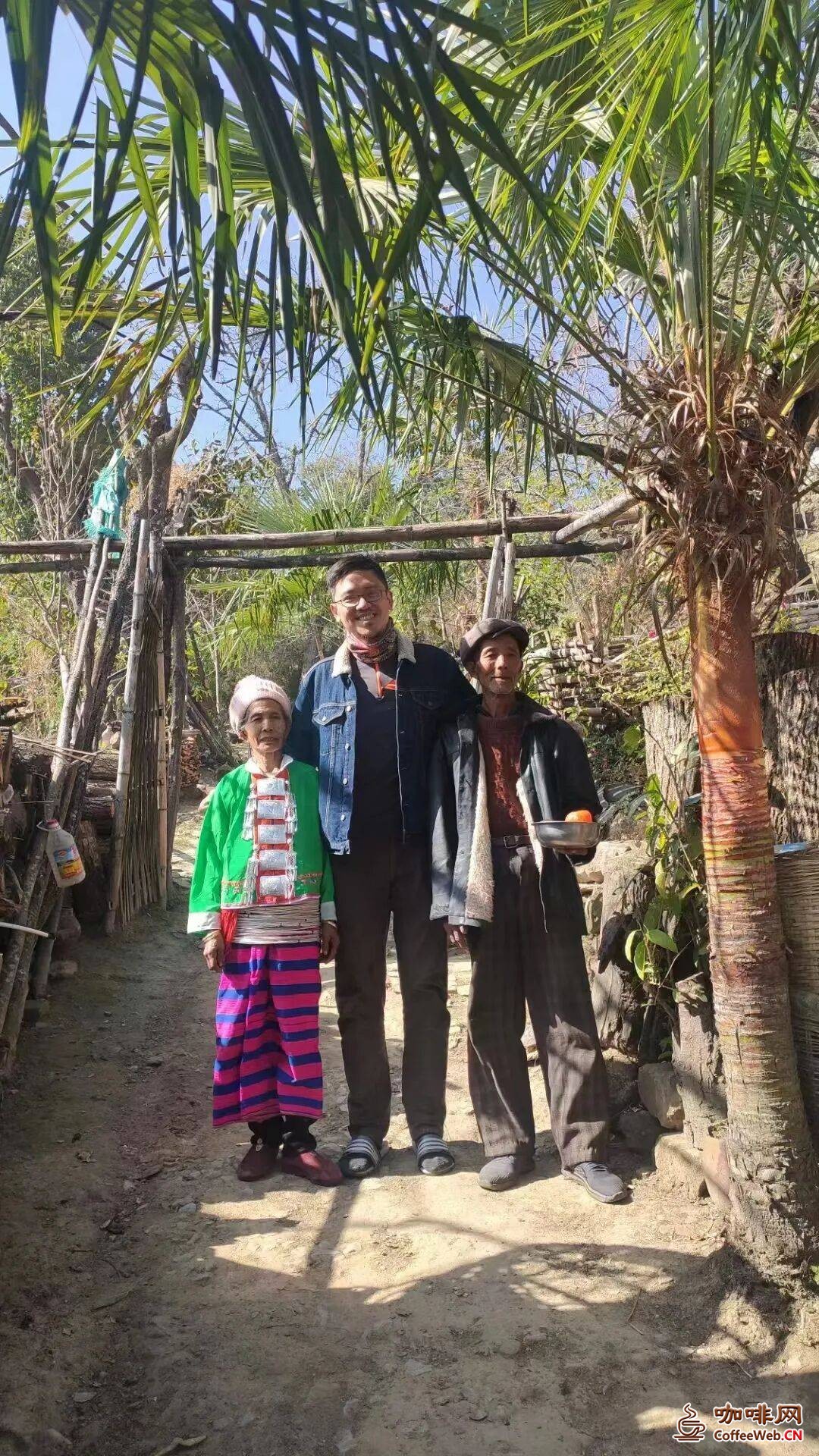
他种咖啡的地方,是在高黎贡山潞江镇,一个叫丛岗村的古老村子。
「这里是我走过全国那么多地方,民族成分最复杂的一个村子,没有之一。」
全村2500多人,有800多名傣族、800多名傈僳族、300多名白族、400多名汉族,
其他还有彝族、回族、景颇族、德昂族、阿昌族、怒族、独龙族、蒙古族等十二个民族。
村里的傣族老乡们大多住在濒临怒江的低海拔河谷里,种植水田为生。
傈僳族和汉族老乡们则大多住在山上,过去以打猎为业,现在以山地农业为主。
比如,咖啡。
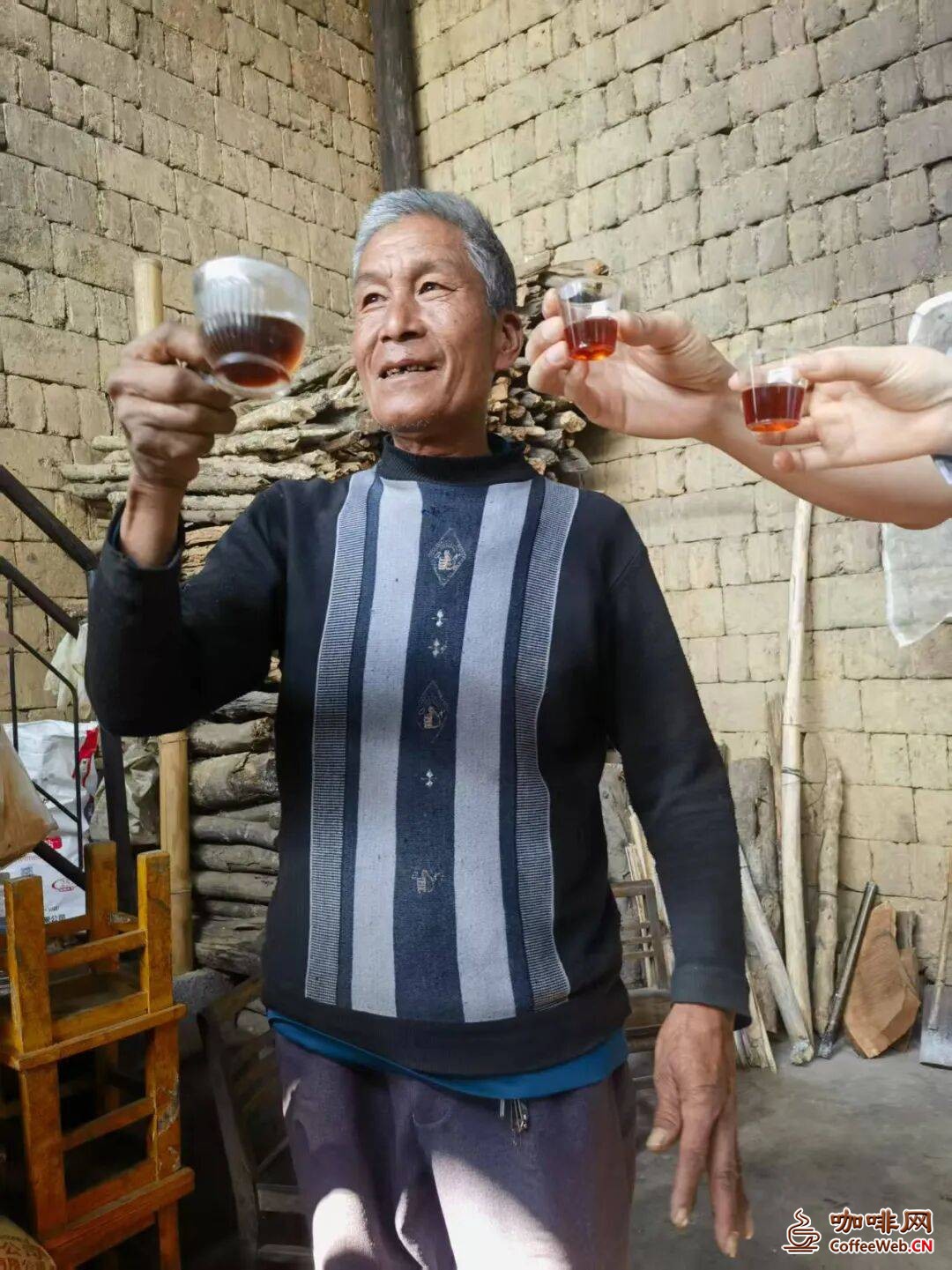
在整个云南所有咖啡产区里,高黎贡山的地貌是最复杂的。
这里海拔在400到4800米之间。
复杂地貌塑造了这里各种各样的民族和宗教,以及各种各样复杂的食材和动植物。
咖啡是外来物种,却奇妙地契合了这里。
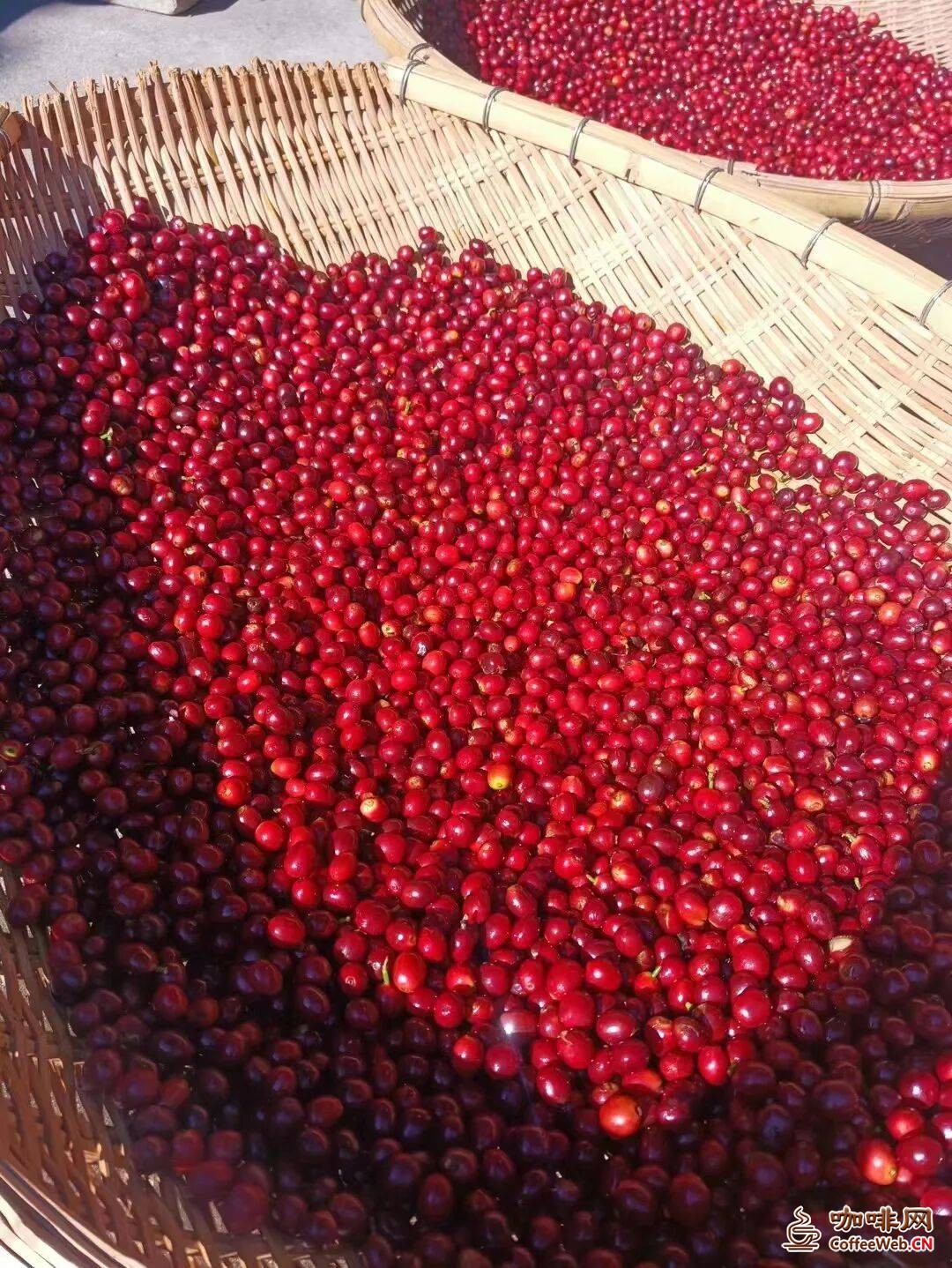
咖啡怕冷,而保山海拔高。
唯有潞江镇,成为天选之地。
这里海拔低,是中国有名的干热河谷,而西岸得高黎贡山山脉,还被联合国教科文组织定义为世界生物圈保护区。
实质上,这儿是亚欧板块和印度洋板块的分水岭。
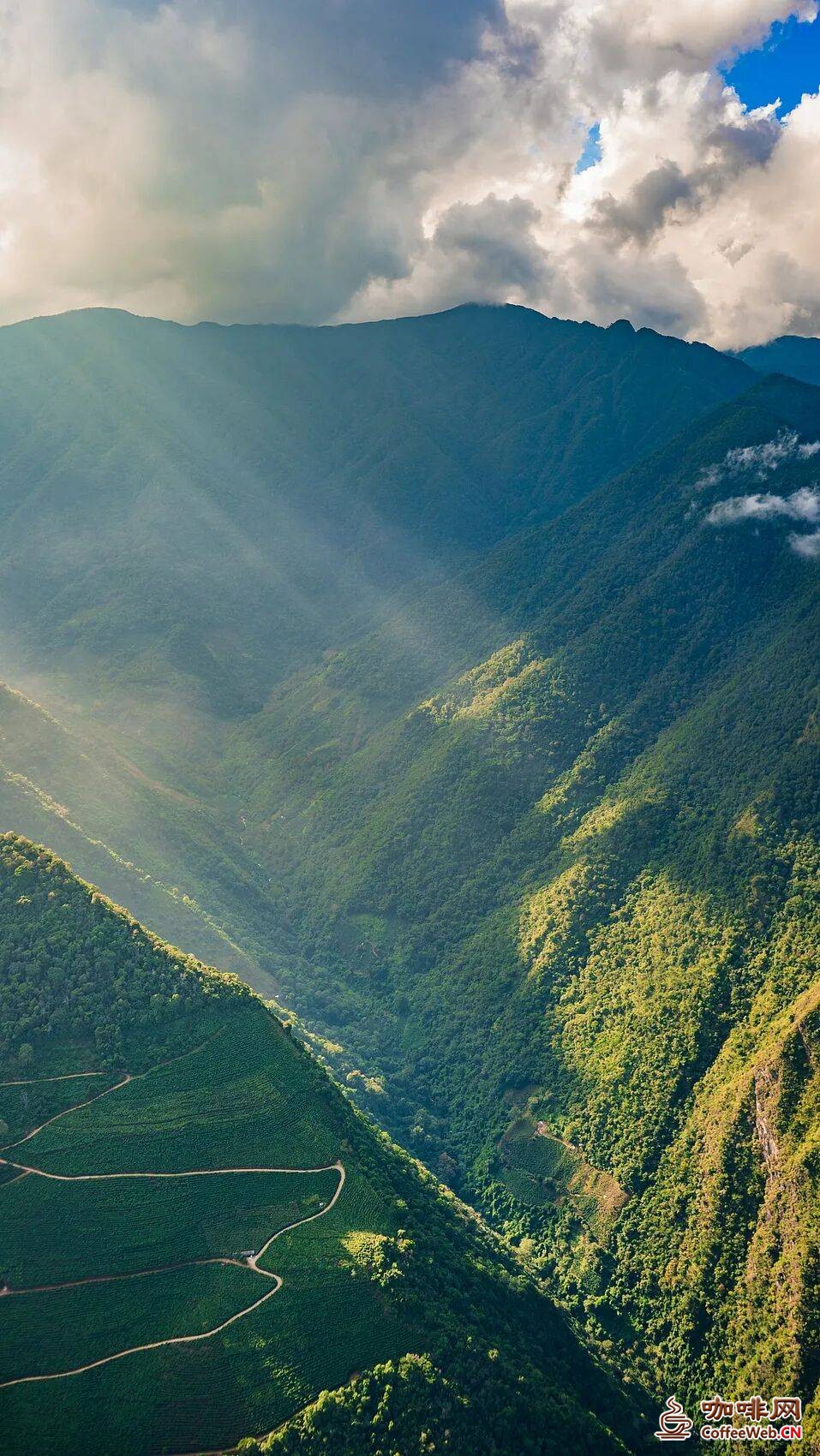
特殊地貌影响了特殊的地理环境。
当来自印度洋的湿热空气往北吹,吹到一个海拔很高的山上之后,气流迎风而上。
迎风面是非常湿润且温暖的,气流到了高黎贡山的高海拔地区,里面的水被抽干,形成山顶的降雨。
水分被抽干之后,形成了干热空气,造就了一个干热河谷。
因为有了干热河谷,怒江便和大家印象种四季如春的云南不一样。
夏天如炭烤,冬天就宜人、干爽。
沿着河谷,当地还有全世界纬度最高的热带雨林。
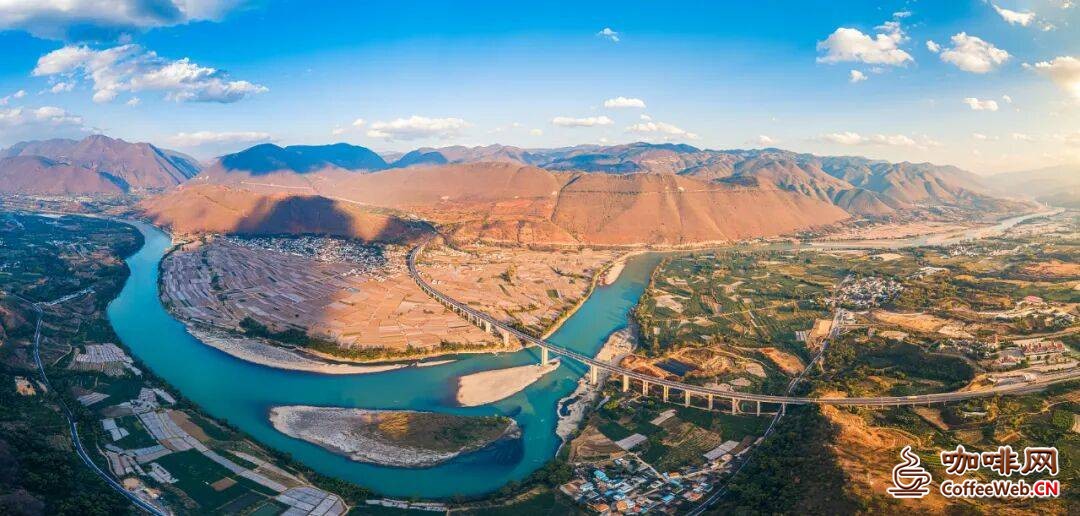
于是,一种宿命般的巧合出现——这里的自然环境特别像东非。
也就是咖啡最原始的老家东非高原,比如肯尼亚、埃塞俄比亚。
这也正是,最好的咖啡诞生于保山,这句话的由来。
因为在中国所有产咖啡的地方,只有保山,有最接近东非生态环境的产区。
这也是魏老师决定开始种咖啡的初衷。
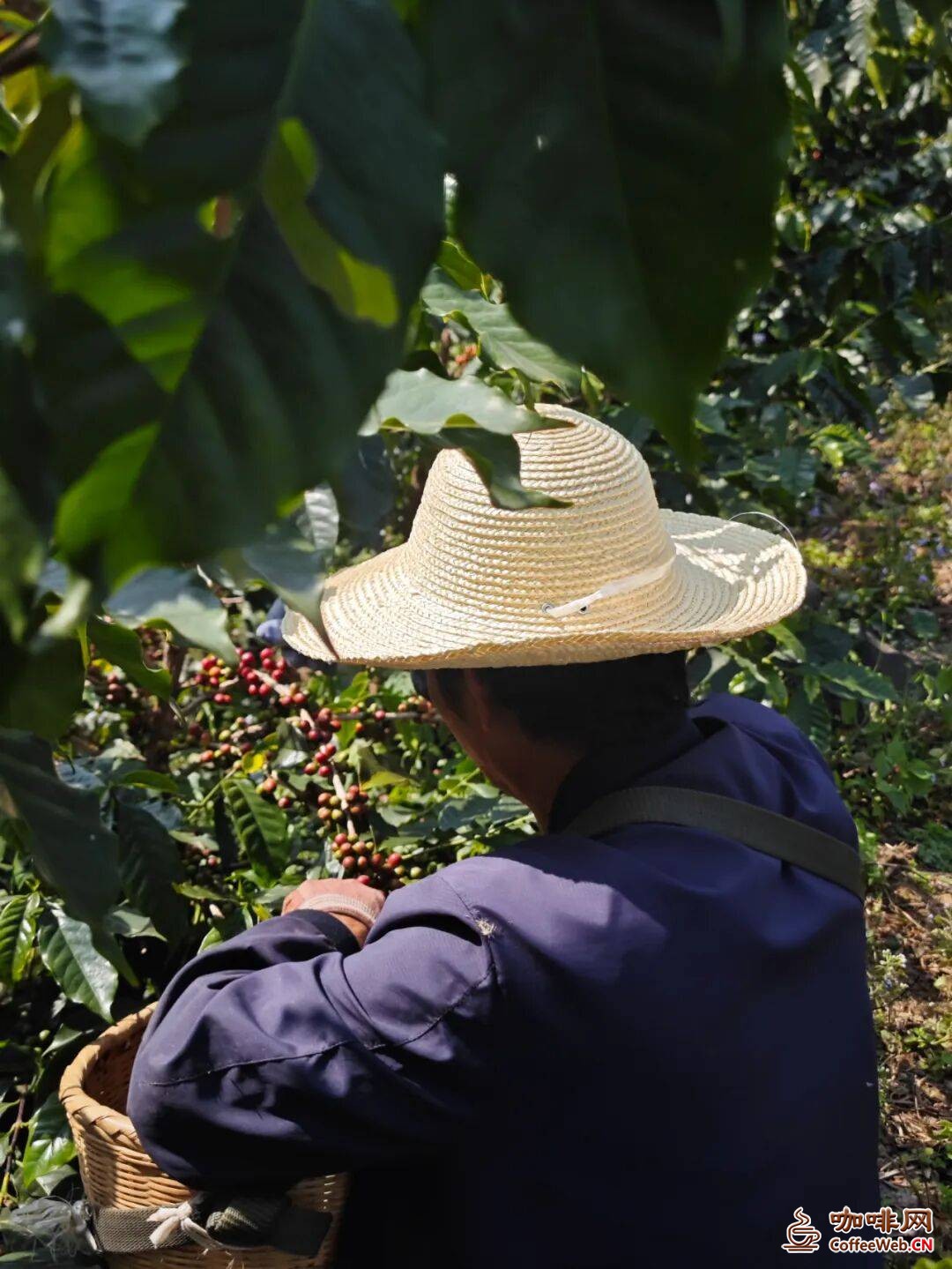
此时此刻,在高黎贡山东麓、怒江之畔。
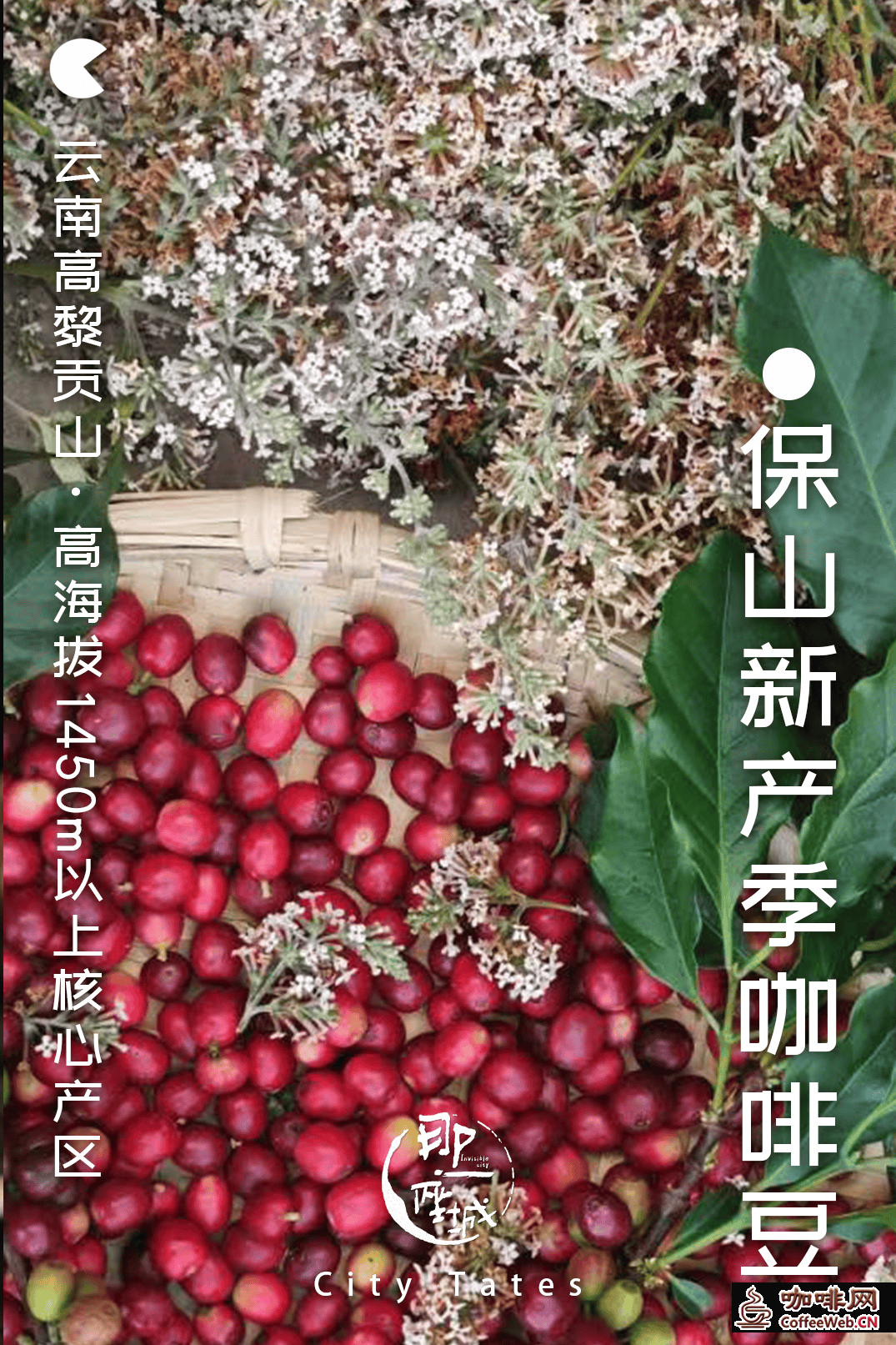
5年前包下的咖啡园子,果子已到最佳成熟季。
02
最好的咖啡到底有多好?
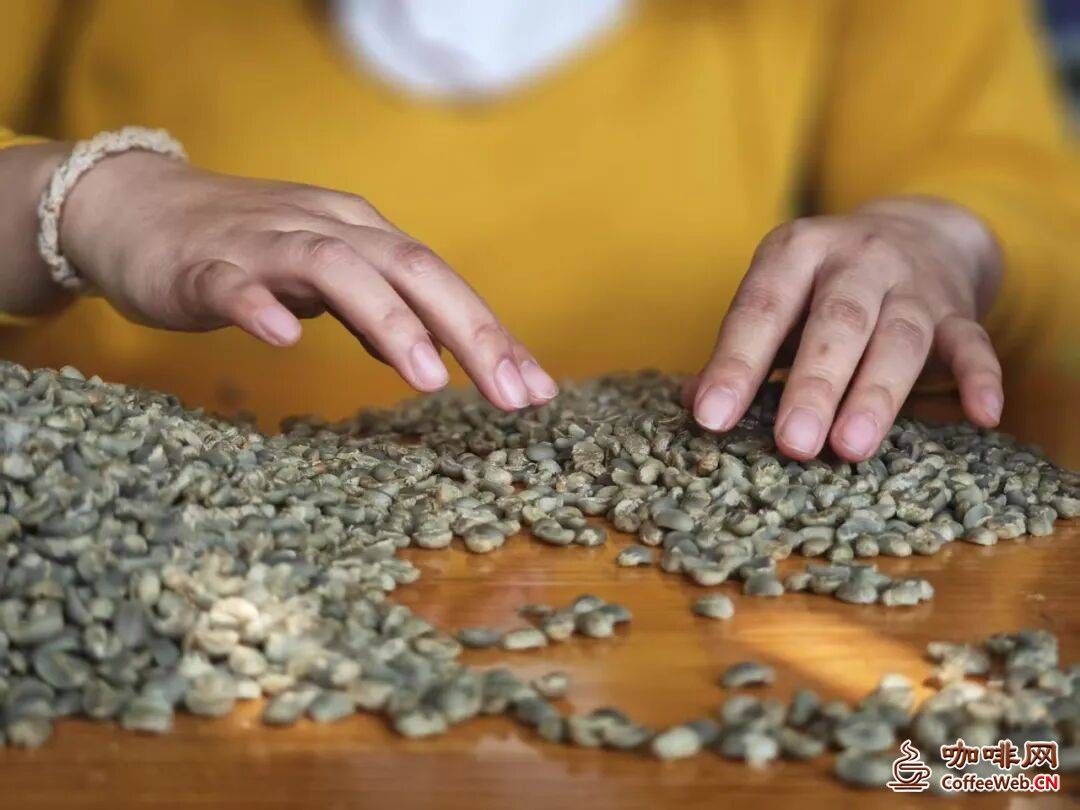
作为一枚咖啡瘾重度患者,最怕的就是咖啡冲出来的过于酸涩或是过于浅薄。
而来自高黎贡山的咖啡,已经是我心中的top3。
看,这是我每天早晨的日常。
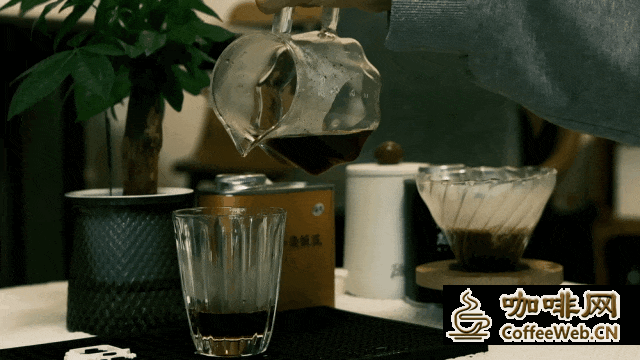
高黎贡的咖啡是真的好喝。
为此,之前还和魏老师好好分析过一次关于中国最好咖啡的由来和原因。
魏老师种的咖啡,被云南当地老百姓称为「铁皮卡」,是一种老品种咖啡,树龄在8年以上。
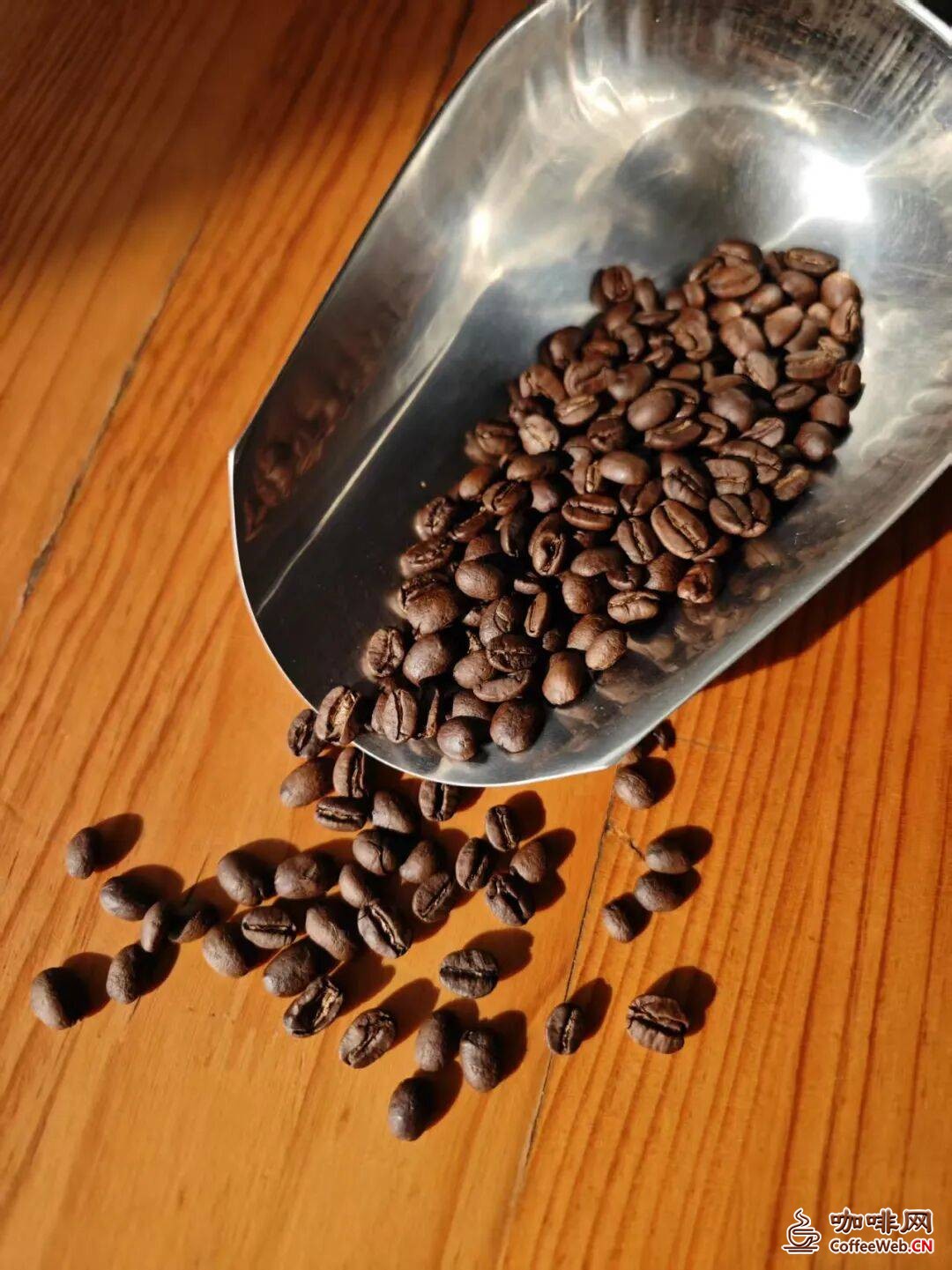
名字源自英语“typica”,意为典型种小粒阿拉比卡咖啡。
与改革开放后雀巢等海外资本带来的,中粒种和小粒种杂交的,苦涩味较重的“云南小粒咖啡”卡蒂姆不同。
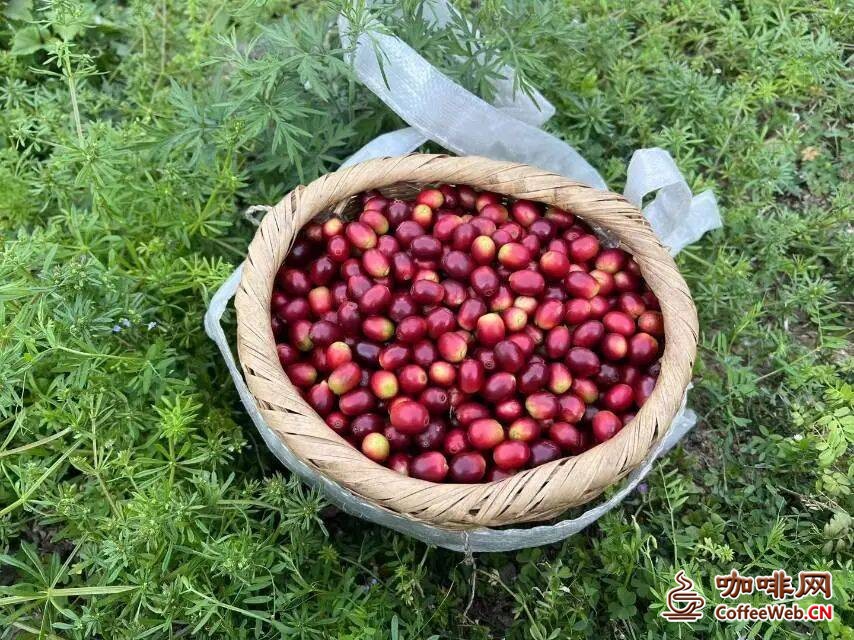
铁皮卡最早源自20世纪之初,传教士带入中国的品种,
它的产量低、田间管理难度大、但拥有古典的、醇厚回甜的口味(亲测如此)。
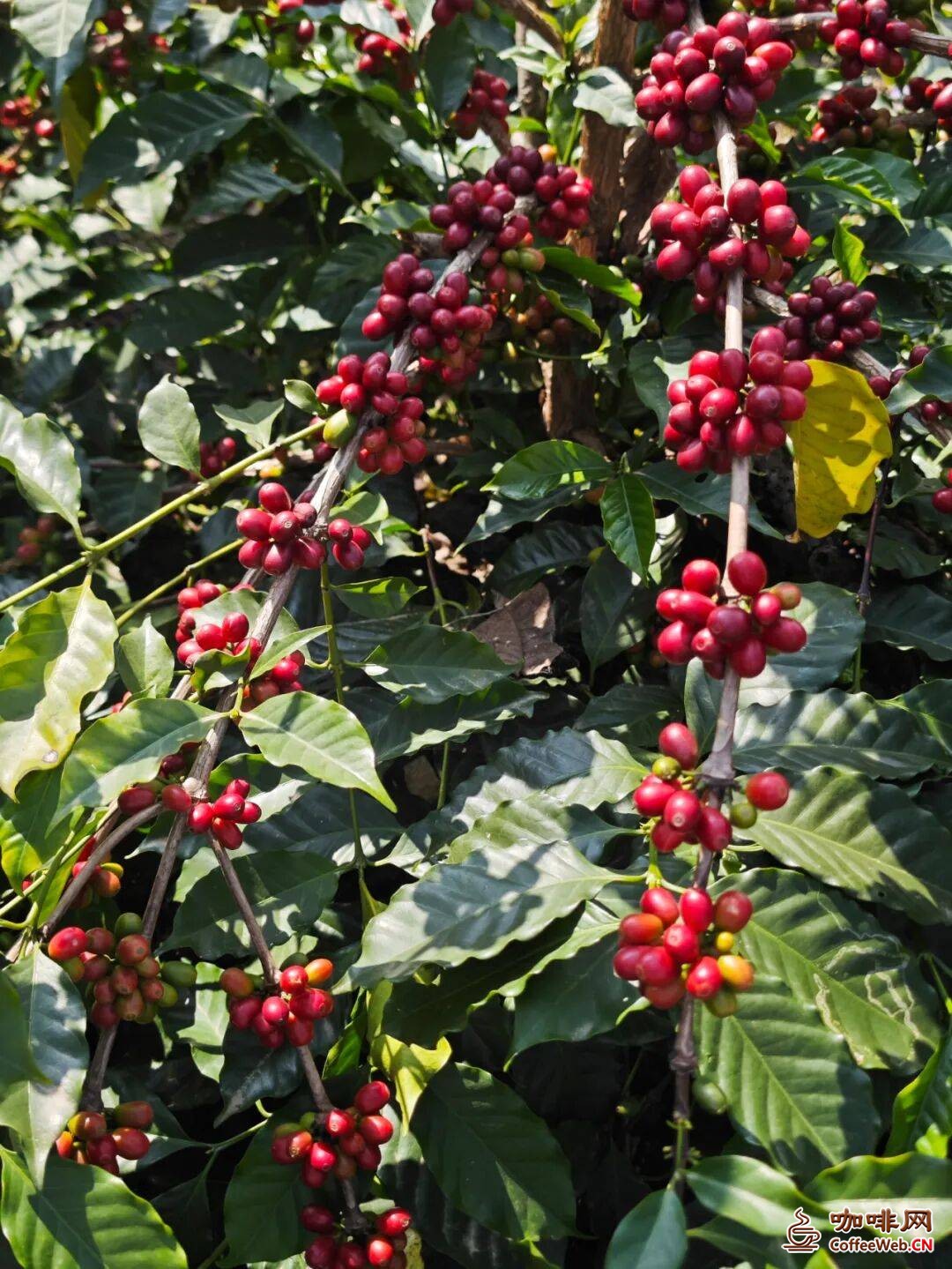
挂耳咖啡真的是个很伟大的发明——
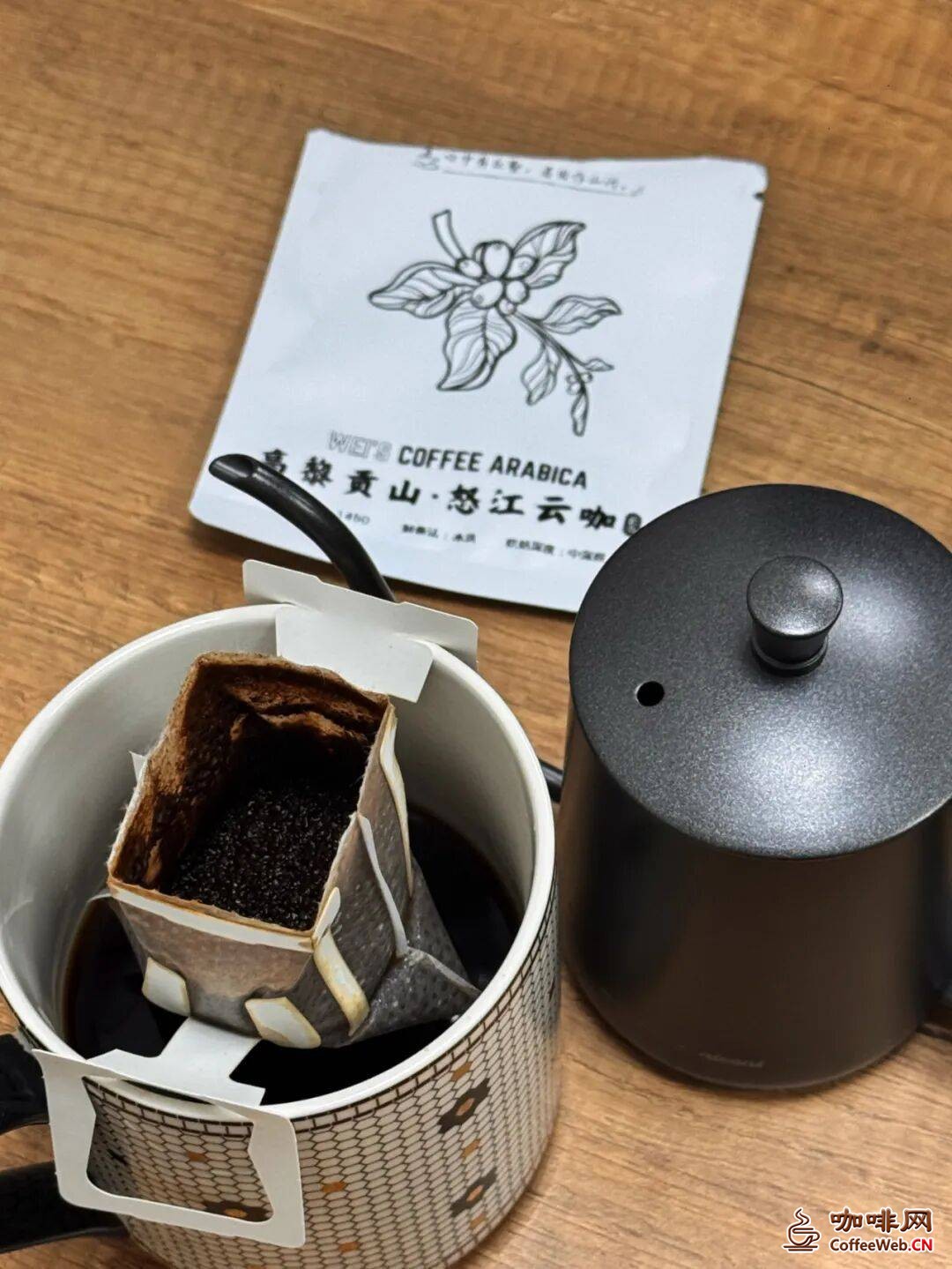
简单便携,时间紧迫时,不到三分钟,醇厚的高黎贡咖啡就出炉。

铁皮卡豆子本身是馥郁的坚果,巧克力香气,酸甜均衡,几乎没有苦涩。
价格略高于普通拼配豆,但口感好的不只一点两点。

对于咖啡口味有要求的小伙伴,这绝对是超级适合的咖啡口粮。

魏老师每次精益求精,数量都不多,基本都是朋友内消化。
目前新一批挂耳,限时开团至2月11日,有兴趣的,要拼手速了。
Spring Festival is approaching, have everyone managed to grab tickets to go home?
As a severely addicted coffee patient, I have been packing up the coffee hanging ear bags that I previously stored with Teacher Wei in my suitcase these days.
This hanging ear tea is made from carefully selected Yunnan "Tie Pi Ka" coffee beans. It is medium deep roasted and has a chocolate aroma, with a balanced sour and sweet taste and almost no bitterness.
A box of 10 bags, convenient for brewing and carrying, very suitable for daily consumption as food. So you don't have to worry about the coffee shop in your hometown being closed during the Spring Festival.
If you follow our Citywalk route, you should have some impression of Teacher Wei.
He is our good friend and also a professional Citywalk mentor.
Due to my love for Yunnan culture and coffee,
A few years ago, he owned a coffee plantation in the valley of Gaoligong Mountain.
|Gaoligong Mountain, a secret realm in Baoshan, Yunnan.
In his words, to meet the best coffee in China.
You should know that 99% of coffee in China comes from Yunnan.
The emergence of Yunnan coffee shops even predates that of Shanghai.
The four major coffee producing cities, besides the Pu'er tea we shipped a few days ago,
There are also Lincang, Dehong, and Baoshan.
As early as 1993, Baoshan Small Grain Coffee won the 42nd World Eureka Gold Award.
Until now, it is still the only coffee in the country that has won the World Gold Award.
From this perspective,
The best coffee in China is in Baoshan.
And Chinese coffee has also begun to go global from here,
Breaking the prejudice of many coffee consumers towards Chinese coffee.
Before the express delivery stops, we have prepared the latest batch of coffee hooks for everyone, with a limited time until February 11th.
A portable 'mini caf é'
Click on the mini program below to start
01
Why grow coffee in Gaoligong Mountain
I want to record what I have eaten and seen during my years as a journalist, both nationally and globally.
This is the original intention of Wei Shuihua's establishment of the "Food Taste Art and Culture Chronicle".
At first, the purpose of coming to Baoshan, Yunnan was just to search for the coffee story of China.
After entering the valley of Gaoligong Mountain and delving into the villages here, Wei Shuihua was fascinated by the rich and diverse ethnic characteristics and magical geographical scenery here.
I think if people have a destiny, this land by the Nu River and at the foot of Gaoligong Mountain is my place of destiny
The gears of fate, like this, pushed towards the small village on the China Myanmar border.
At an altitude of 500 meters in a Dai bamboo and wood building, I tasted the fragrant and glutinous old variety of glutinous rice, grilled fish from the Nu River, and various fruits;
I worshipped the Bodhi Tree with my fellow Dai villagers and personally witnessed the mysterious "Ancient Man Child" worshipped by their families in Theravada Buddhism.
At an altitude of over 2000 meters in the old village of the Lisu ethnic group's Wawu, I tasted the stewed chicken with lacquer tree seed oil, the cliff honey harvested by beekeepers in less than half a day, and the freshly picked coffee from that year;
Arriving at the church in the village, I attended the worship and communion of the Lisu ethnic group, and listened to the village pastor's account of the past when British missionaries brought writing, medicine, coffee, turkey, and a whole set of lifestyles to the western border of Yunnan.
After walking over ten hills, he decided to stop.
I have contracted a piece of sunny land with a visible Nu River to the fellow villagers of the Lisu ethnic group,
Started this journey of Yunnan coffee farming.
The place where he grows coffee is in Lujiang Town, Gaoligong Mountain, an ancient village called Conggang Village.
This is the village with the most complex ethnic composition that I have traveled through so many places in the country, none of them
There are over 2500 people in the village, including more than 800 Dai, 800 Lisu, 300 Bai, and 400 Han ethnic groups,
There are also twelve other ethnic groups including Yi, Hui, Jingpo, De'ang, Achang, Nu, Dulong, and Mongolian.
Most of the Dai people in the village live in low altitude river valleys near the Nu River and make a living by planting paddy fields.
Most of the Lisu and Han ethnic groups live in the mountains, where hunting used to be their profession, but now they mainly rely on mountain agriculture.
For example, coffee.
Among all the coffee producing areas in Yunnan, the topography of Gaoligong Mountain is the most complex.
The altitude here is between 400 and 4800 meters.
The complex terrain has shaped various ethnic and religious groups here, as well as a variety of complex ingredients and flora and fauna.
Coffee is an alien species, yet it miraculously fits in here.
Coffee is afraid of cold, but Baoshan is at a high altitude.
Only Lujiang Town has become the chosen place.
This place has a low altitude and is a famous dry hot valley in China, while the west bank is surrounded by the Gaoligong Mountain Range and has been designated as a UNESCO World Biosphere Reserve.
In essence, this is the watershed between the Eurasian Plate and the Indian Ocean Plate.
Special landforms have influenced unique geographical environments.
When the humid and hot air from the Indian Ocean blows northward and reaches a high altitude mountain, the airflow rises in the wind.
The windward side is very humid and warm. When the airflow reaches the high-altitude area of Gaoligong Mountain, the water inside is drained, forming rainfall on the mountaintop.
After the water is drained, dry and hot air is formed, creating a dry and hot valley.
Because of the dry hot valley, the Nu River is different from Yunnan, which is known for its year-round spring like climate.
Summer is like charcoal grilling, winter is pleasant and dry.
Along the river valley, there is also a tropical rainforest with the highest latitude in the world.
So, a fateful coincidence occurred - the natural environment here is particularly similar to East Africa.
That is to say, the most primitive homeland of coffee is the East African Plateau, such as Kenya and Ethiopia.
This is also the origin of the saying that the best coffee is born in Baoshan.
Because among all the coffee producing regions in China, only Baoshan has the closest ecological environment to East Africa.
This is also the original intention of Teacher Wei's decision to start growing coffee.
At this moment, on the eastern foothills of Gaoligong Mountain and by the banks of the Nu River.
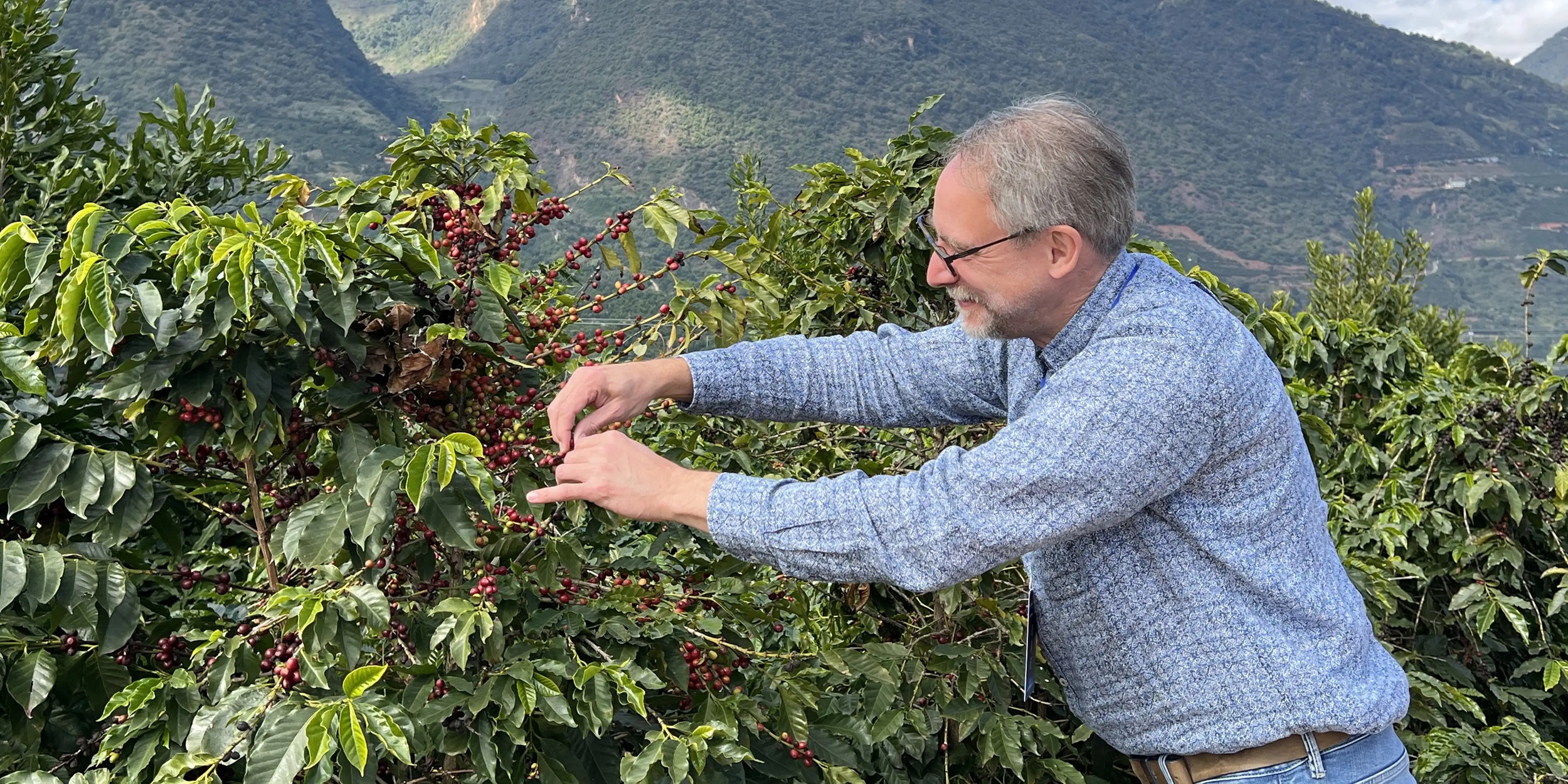
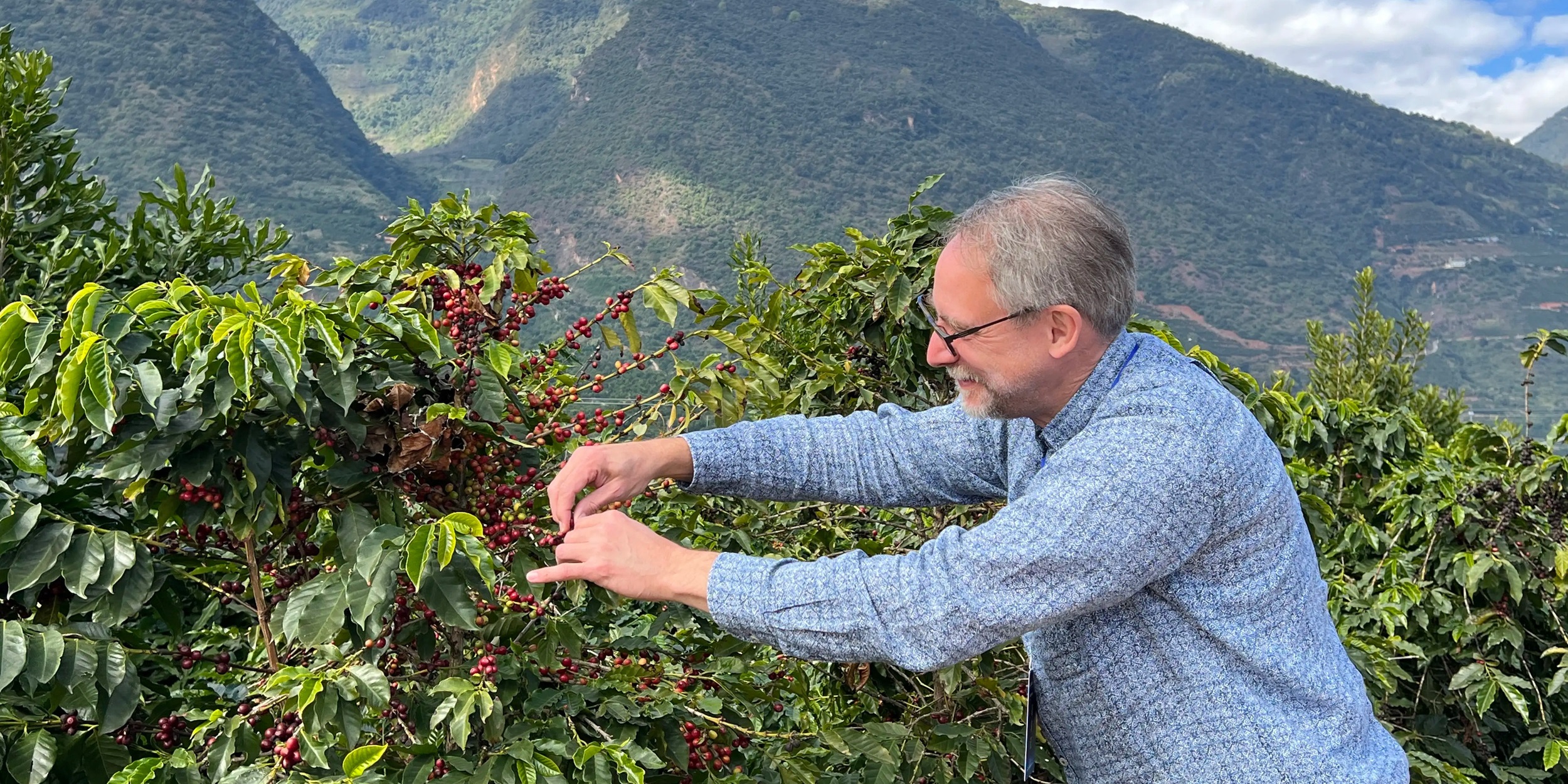
The coffee garden I bought 5 years ago has reached its best ripening season for its fruits.
02
How good is the best coffee?
As a severe coffee addict, the biggest fear is that the coffee brewed is too sour or too shallow.
And coffee from Gaoligong Mountain is already the top 3 in my heart.
Look, this is my daily routine every morning.
Gaoligong's coffee is really delicious.
For this reason, I had previously analyzed with Teacher Wei the origin and reasons for the best coffee in China.
The coffee planted by Teacher Wei is called "Tie Pi Ka" by the local people in Yunnan. It is an old variety of coffee with a tree age of over 8 years.
The name comes from the English word 'typica', which means a typical small grain Arabica coffee.
Unlike the "Yunnan Small Grain Coffee" Cardim, which has a bitter taste and is a hybrid of medium and small grain coffee brought by overseas capital such as Nestle after the reform and opening up.
Iron sheet cards originated from a variety introduced to China by missionaries at the beginning of the 20th century,
It has low yield and is difficult to manage in the field, but it has a classical, mellow and sweet taste (according to personal testing).
Hanging ear coffee is truly a great invention——
Simple and portable, when time is tight, in less than three minutes, the rich and mellow Gaoligong coffee is ready.
Iron skinned cardbeans themselves are rich in nuts, with a chocolate aroma and a balanced sweet and sour taste, almost without bitterness.
The price is slightly higher than regular blended beans, but the taste is not just good.