“云南咖啡”成为中国咖啡代名词Yunnan coffee has become synonymous with Chinese coffee
云南咖啡精深加工集聚效应逐步显现。记者刘凯达摄
10月16日,记者从普洱市茶叶与咖啡产业发展中心获悉,《2024年云南省咖啡产业发展报告》(以下简称《报告》)近日发布。《报告》显示,2024年,云南咖啡种植面积119.31万亩,占全国的97.85%;总产量15.02万吨,占全国的98.65%;农业总产值48.72亿元,占全国的98.61%。云南以绝对优势成为中国咖啡主产地,“云咖”全产业链发展有效推进,中国的“咖啡味道”正加速形成。
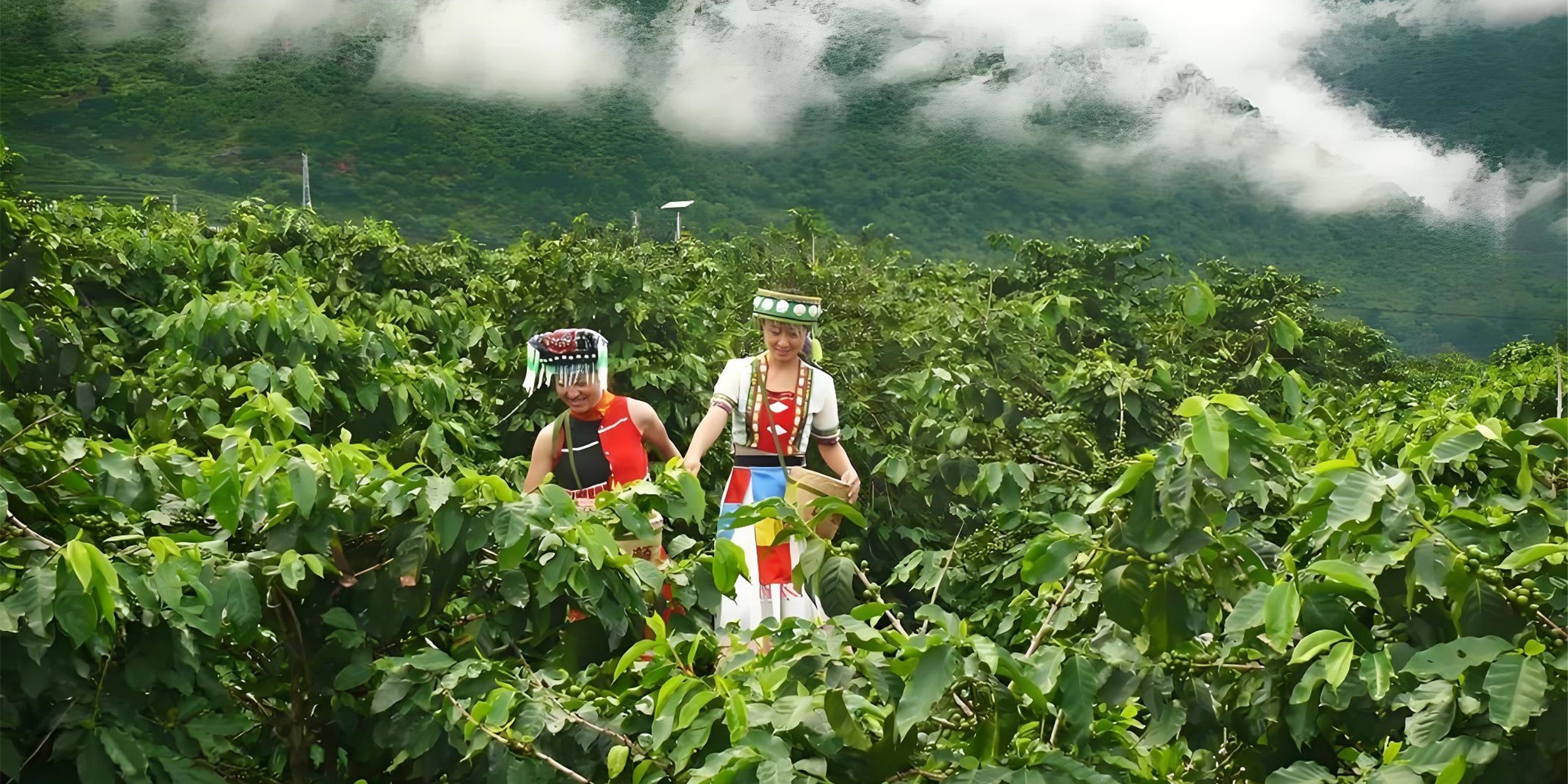
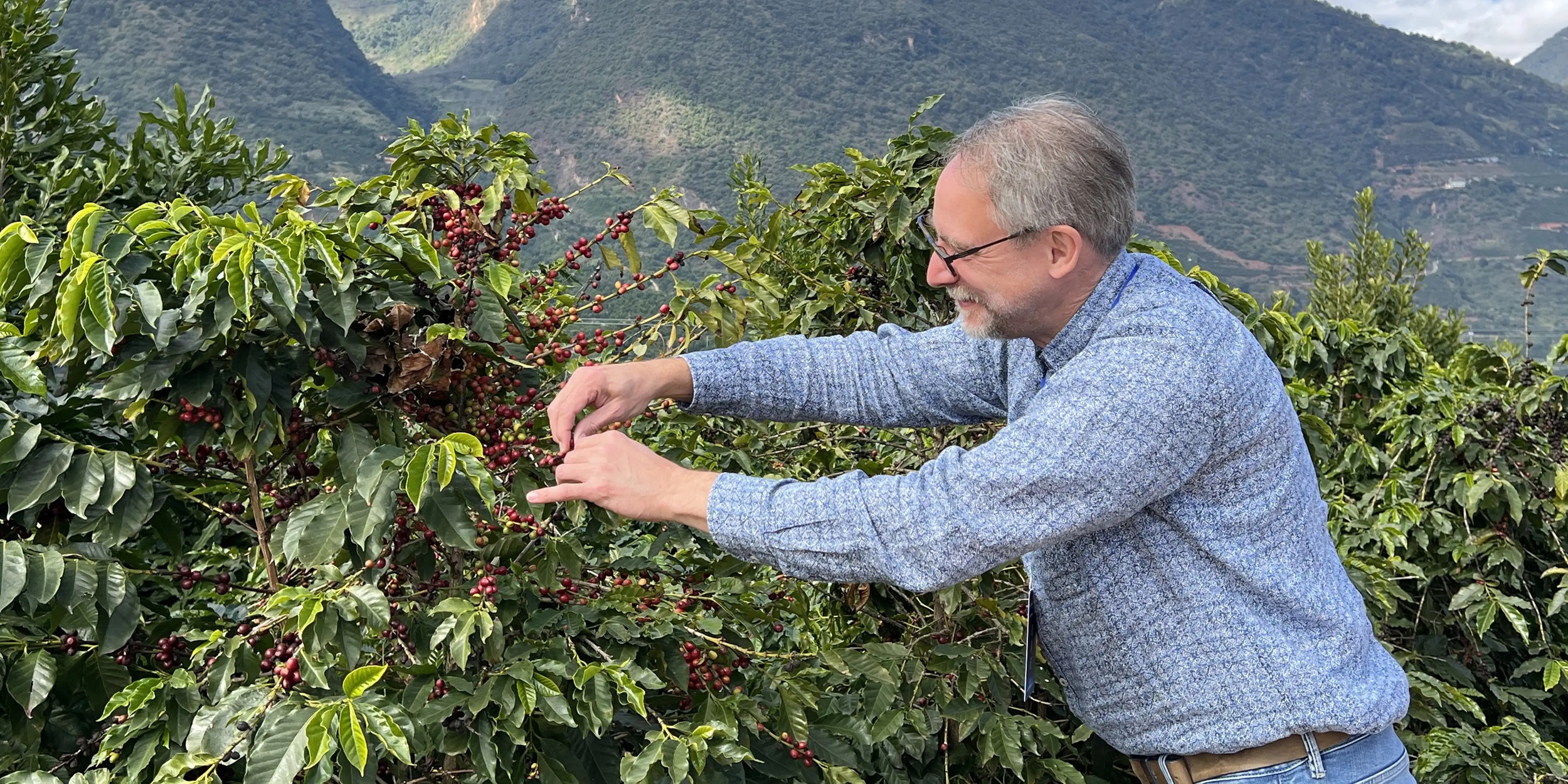
从产业分布看,云南是中国最大的咖啡种植区,全省咖啡种植主要分布在怒江、澜沧江、红河、金沙江等流域海拔900—1800米的地区。全省9个州(市)34个县(市、区)从事咖啡种植,其中普洱、临沧、保山、西双版纳、德宏的种植面积居全省前五,分别占比52%、20%、12%、8%、7%。
2024年,云南咖啡种植面积同比增长4%,产量同比增长3%;咖啡生豆均价41.02元/公斤,同比上涨10.3%,较国际小粒咖啡均价5.05美元/公斤高14.1%;精品咖啡均价67.37元/公斤,精品咖啡产量4.61万吨,全省咖啡精品率已由2021年不足8%提升至31.6%。“十二五”“十三五”“十四五”期间,全省咖啡农业产值年均增速分别为4.15%、-4.5%、22.5%。
《报告》显示,在初加工方面,2024年,全省咖啡鲜果加工厂达510座,年加工鲜果能力达100万吨以上;咖啡豆脱壳加工厂95座,年加工生豆9.2万吨,全省初加工能力与产量基本匹配。在精深加工方面,云南咖啡精深加工集聚效应逐步显现,2024年全省精深加工消耗生豆量达9.6万吨,精深加工率80.8%,全省有咖啡精深加工主体128户,其中规模以上咖啡精深加工企业41户,形成了以昆明、保山、普洱、楚雄、红河、德宏为重点的咖啡精深加工聚集区。在重点企业中,产值1亿元以上企业8户、产值2亿元以上企业4户,规模较2023年进一步扩大。同时,“云咖”产品多元化发展,推出烘焙豆、浓缩液、速溶粉、冻干粉、三合一咖啡、果皮茶及花茶等,实现咖啡产品种类全覆盖。云南咖企中咖、比顿、四只猫、爱伲等知名度不断提高,“云南咖啡”成为中国咖啡的代名词。
《报告》提出,在国内咖啡市场蓬勃发展的背景下,云南咖啡在生产端和市场端出现了许多变化。在生产端,以咖啡种植和加工为切入点投资云南成为热点,咖啡豆优良品种增速加快,红果采摘得到推广,鲜果加工工艺、设备、规模得到大幅提高,精深加工企业和产能不断扩大,精品咖啡庄园受到消费者喜爱。在市场端,随着云南精品咖啡影响力不断扩大,采购云南咖啡的国内品牌企业显著增多,一批本土品牌企业的影响力不断提高,过去云南咖啡定价由国际期货价格牢牢把控,现在定价权在松动。《报告》建议,云南咖啡产业可以从上游打造精品种植产区、中游提升精深加工能力、下游培育精品咖啡品牌3个方向提升精品化程度。同时,加强全产业链协同,整合优势资源、共享产业信息,增强供应链自主可控能力,促进构建协作互动的产业生态。 (冉光雯)
The agglomeration effect of deep processing of Yunnan coffee is gradually emerging. Photo by journalist Liu Kaida
On October 16th, the reporter learned from the Pu'er Tea and Coffee Industry Development Center that the "2024 Yunnan Province Coffee Industry Development Report" (hereinafter referred to as the "Report") was recently released. The report shows that in 2024, the coffee planting area in Yunnan will be 1.1931 million mu, accounting for 97.85% of the national total; The total output is 150200 tons, accounting for 98.65% of the national total; The total agricultural output value is 4.872 billion yuan, accounting for 98.61% of the national total. Yunnan has become the main coffee producing area in China with an absolute advantage, and the development of the entire "cloud coffee" industry chain has been effectively promoted, accelerating the formation of China's "coffee flavor".
From the perspective of industrial distribution, Yunnan is the largest coffee planting area in China, and coffee planting in the province is mainly distributed in areas with elevations of 900-1800 meters in the Nujiang, Lancang, Honghe, Jinsha and other river basins. 34 counties (cities, districts) in 9 states (cities) of the province are engaged in coffee cultivation, among which Pu'er, Lincang, Baoshan, Xishuangbanna, and Dehong have the top five planting areas in the province, accounting for 52%, 20%, 12%, 8%, and 7% respectively.
In 2024, the coffee planting area in Yunnan increased by 4% year-on-year, and the output increased by 3% year-on-year; The average price of green coffee beans is 41.02 yuan/kg, a year-on-year increase of 10.3%, which is 14.1% higher than the international average price of small grain coffee, which is 5.05 US dollars/kg; The average price of premium coffee is 67.37 yuan/kg, and the production of premium coffee is 46100 tons. The premium coffee rate in the province has increased from less than 8% in 2021 to 31.6%. During the 12th, 13th, and 14th Five Year Plans, the average annual growth rates of coffee agriculture output in the province were 4.15%, -4.5%, and 22.5%, respectively.
According to the report, in terms of initial processing, by 2024, there will be 510 coffee fresh fruit processing plants in the province, with an annual processing capacity of over 1 million tons of fresh fruit; There are 95 coffee bean hulling processing plants with an annual processing capacity of 92000 tons of green beans, and the initial processing capacity and output in the province are basically matched. In terms of deep processing, the agglomeration effect of Yunnan coffee deep processing is gradually emerging. By 2024, the province's deep processing consumption of green beans will reach 96000 tons, with a deep processing rate of 80.8%. There are 128 coffee deep processing entities in the province, including 41 large-scale coffee deep processing enterprises, forming a coffee deep processing cluster with Kunming, Baoshan, Pu'er, Chuxiong, Honghe, and Dehong as the focus. Among the key enterprises, there are 8 enterprises with an output value of over 100 million yuan and 4 enterprises with an output value of over 200 million yuan, further expanding their scale compared to 2023. At the same time, the diversified development of "Yunka" products includes baked beans, concentrated liquids, instant powders, freeze-dried powders, three in one coffee, fruit peel tea, and flower tea, achieving full coverage of coffee product types. The popularity of Yunnan coffee companies such as Zhongka, Bitun, Four Cats, and Aini continues to increase, and "Yunnan Coffee" has become synonymous with Chinese coffee.
The report proposes that against the backdrop of the booming development of the domestic coffee market, Yunnan coffee has undergone many changes in both production and market. On the production side, investing in Yunnan through coffee planting and processing has become a hot topic. The growth rate of excellent coffee bean varieties has accelerated, red fruit picking has been promoted, fresh fruit processing technology, equipment, and scale have been greatly improved, and deep processing enterprises and production capacity continue to expand. Fine coffee plantations are loved by consumers. On the market side, with the continuous expansion of the influence of Yunnan specialty coffee, the number of domestic brand enterprises purchasing Yunnan coffee has significantly increased, and the influence of a group of local brand enterprises continues to improve. In the past, Yunnan coffee pricing was firmly controlled by international futures prices, but now pricing power is loosening. The report suggests that Yunnan's coffee industry can enhance its level of refinement in three directions: creating high-quality planting areas in the upstream, improving deep processing capabilities in the midstream, and cultivating high-quality coffee brands in the downstream. At the same time, we will strengthen the collaboration of the entire industry chain, integrate advantageous resources, share industry information, enhance the independent and controllable ability of the supply chain, and promote the construction of a collaborative and interactive industrial ecosystem. (Ran Guangwen)