世界咖啡,如何冲泡出“中国表达”?How to brew "Chinese expression" in world coffee?
一杯咖啡,怎么喝出中国味?
或加入普洱茶、桂花、陈皮等本土食材,或将容器换为盖碗、青花瓷、建水紫陶,或把咖啡馆装点得更有东方韵味……这些都是中式咖啡的表现方式。
但中式咖啡究竟是什么?答案可能并不是一张配方表,而是一场关于中国人如何理解咖啡、种植咖啡、饮用咖啡、表达咖啡的全新思考。

云南咖啡文化中心即将启幕。刘阳明摄
8月19日,由云南日报报业集团联合云南农业大学、云南网、保山比顿咖啡有限公司等单位共同发起成立的云南咖啡文化中心将正式启幕。该中心将以“世界咖啡·中国表达”为核心,开发代表中国品质、中国格调、中国特色、凸显中国文化属性的中国式咖啡,通过文化赋能、消费引领、商贸促进、市场拓展,做强云咖消费品牌,助力云南咖啡更好地走向全国、走向世界。
什么样的咖啡,能让人在一杯之间,品出中国人的生活趣味、审美方式与文化气质,将成为云南咖啡产业的新命题。
咖啡来到中国,变成了什么样?
咖啡是世界性的饮品,并非只有单一表达方式。
意大利人用浓缩咖啡构建起自己的咖啡文化,土耳其咖啡保留着独特的煮制传统,日本吃茶店则形成了另一种细腻、安静的咖啡美学。
同一颗咖啡豆进入不同地域,总会与当地人的饮食习惯和生活方式发生碰撞,最终长出不同的模样。

云南咖啡文化中心即将启幕。刘阳明摄
那么,中国人的咖啡应该是怎样的?
在云南,咖啡与当地生活相遇已有百余年。1893年,德宏瑞丽弄贤寨引种咖啡,依靠边民互市自然扩散;1904年,法国人将咖啡苗带入大理宾川朱苦拉,留存下国内唯一完整的百年古咖啡林。
“全球主流咖啡产区大多通过殖民引种,但从云南咖啡的发展历史来看,有德宏瑞丽弄贤寨与大理宾川朱苦拉两大早期独立引种源头。”云南省德宏热带农业科学研究所所长李守岭介绍,前者是跨境少数民族民间交往的引种路径,后者是外来文化与西南乡土融合的产物,二者均是自发文明交流成果,这段民间自发传播历史,是任何咖啡产区都不具备的中国历史底色。

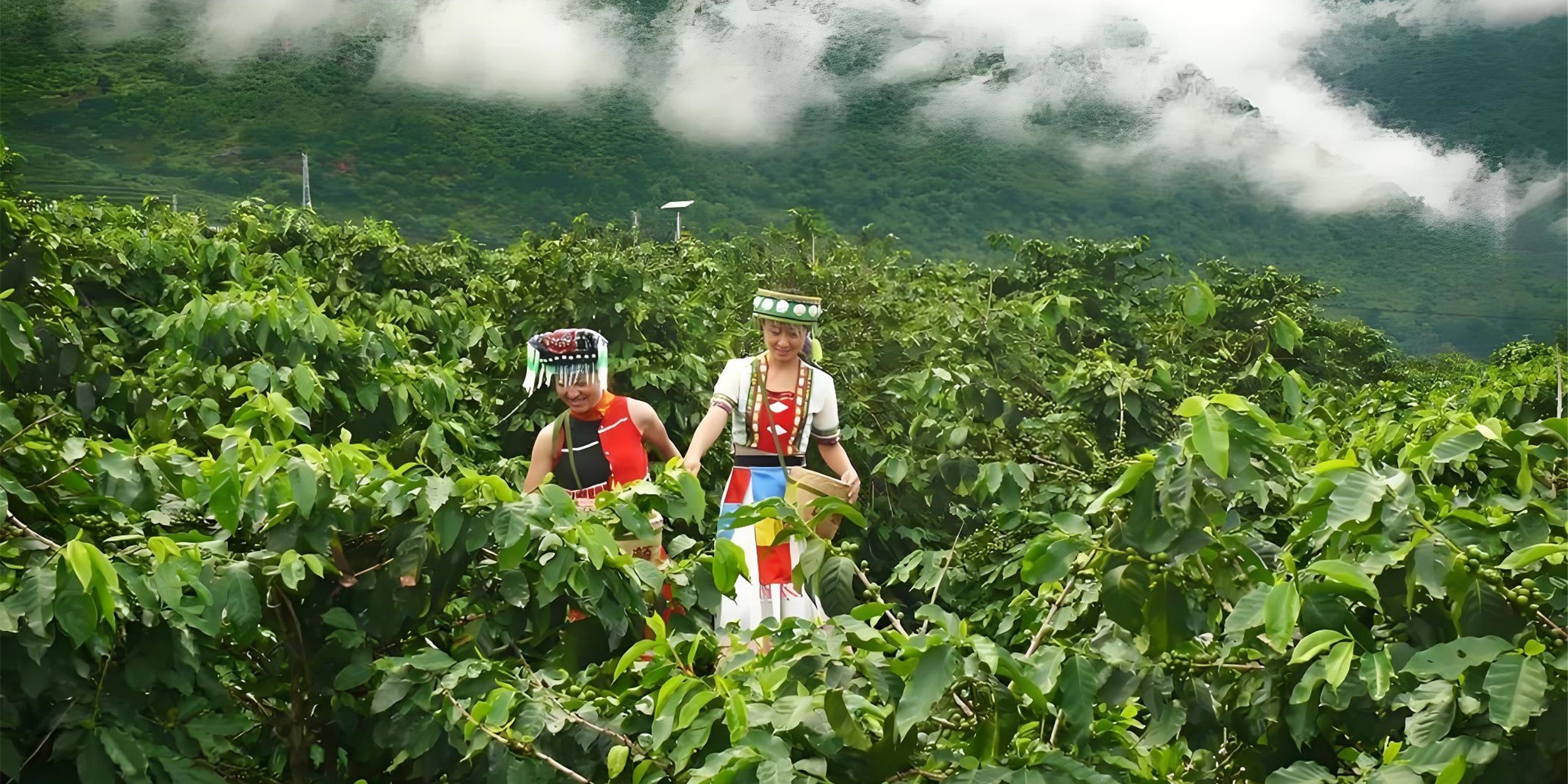
怒江州咖啡种植基地。图源:云南日报
云南咖啡产区聚居景颇、傣、德昂、彝、拉祜、佤等十余个世居民族,各民族将千年山地农耕智慧融入咖啡生产,形成多元一体产业文化。
在种植端,各民族开发出林咖、茶咖、粮咖等立体林下套种特色模式,形成生态可持续的本土栽培形式。
在加工端,云南咖啡借鉴普洱茶、红酒、腌制食品等传统食品加工技艺,开发出满足市场需求且具有区域特色的咖啡产品。
在文化方面,景颇族、傣族发展咖啡特色民族餐,佤族利用咖啡果皮开发非遗织锦文创……咖啡成为边疆各民族交往交流交融物质载体。

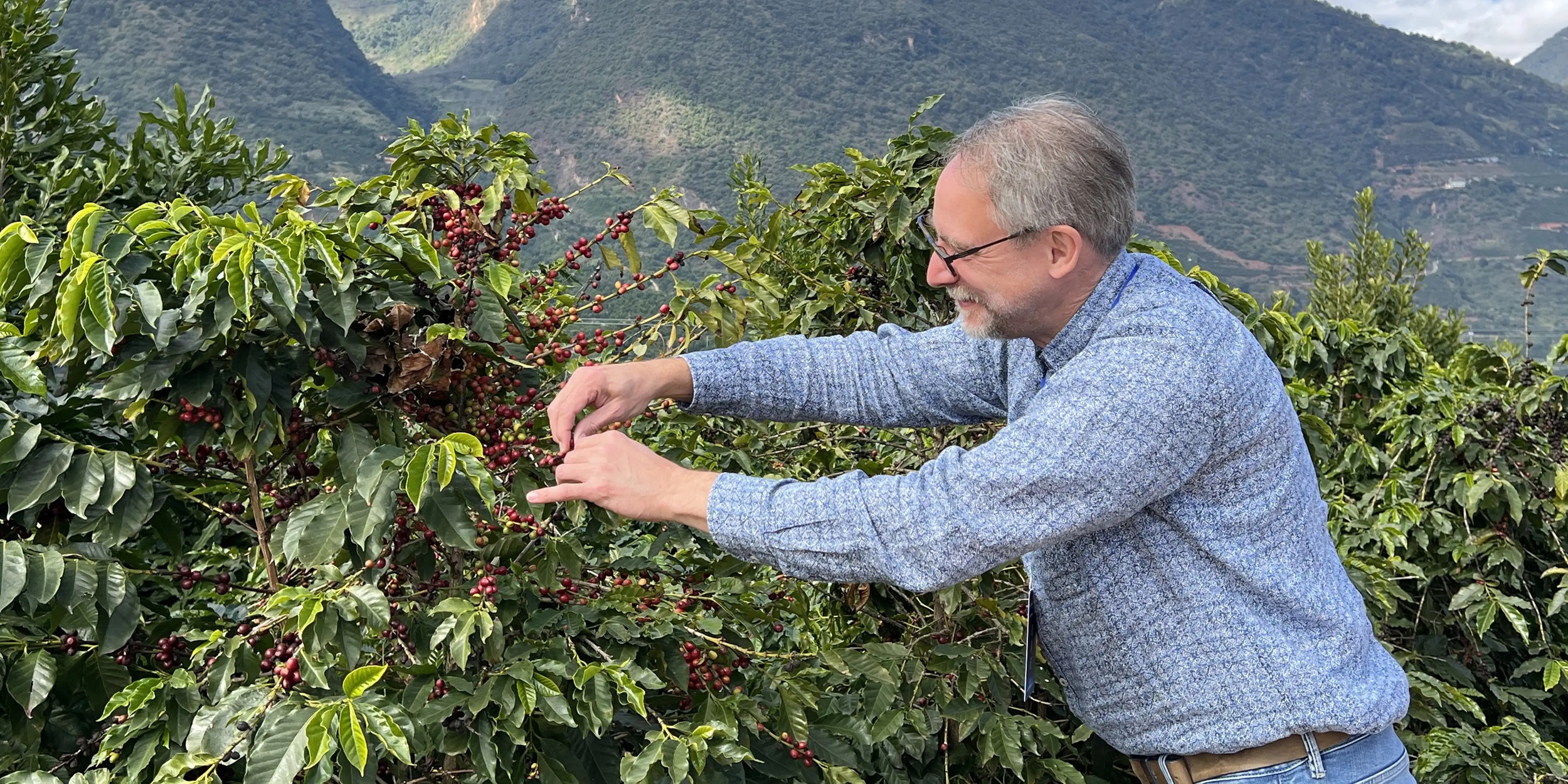
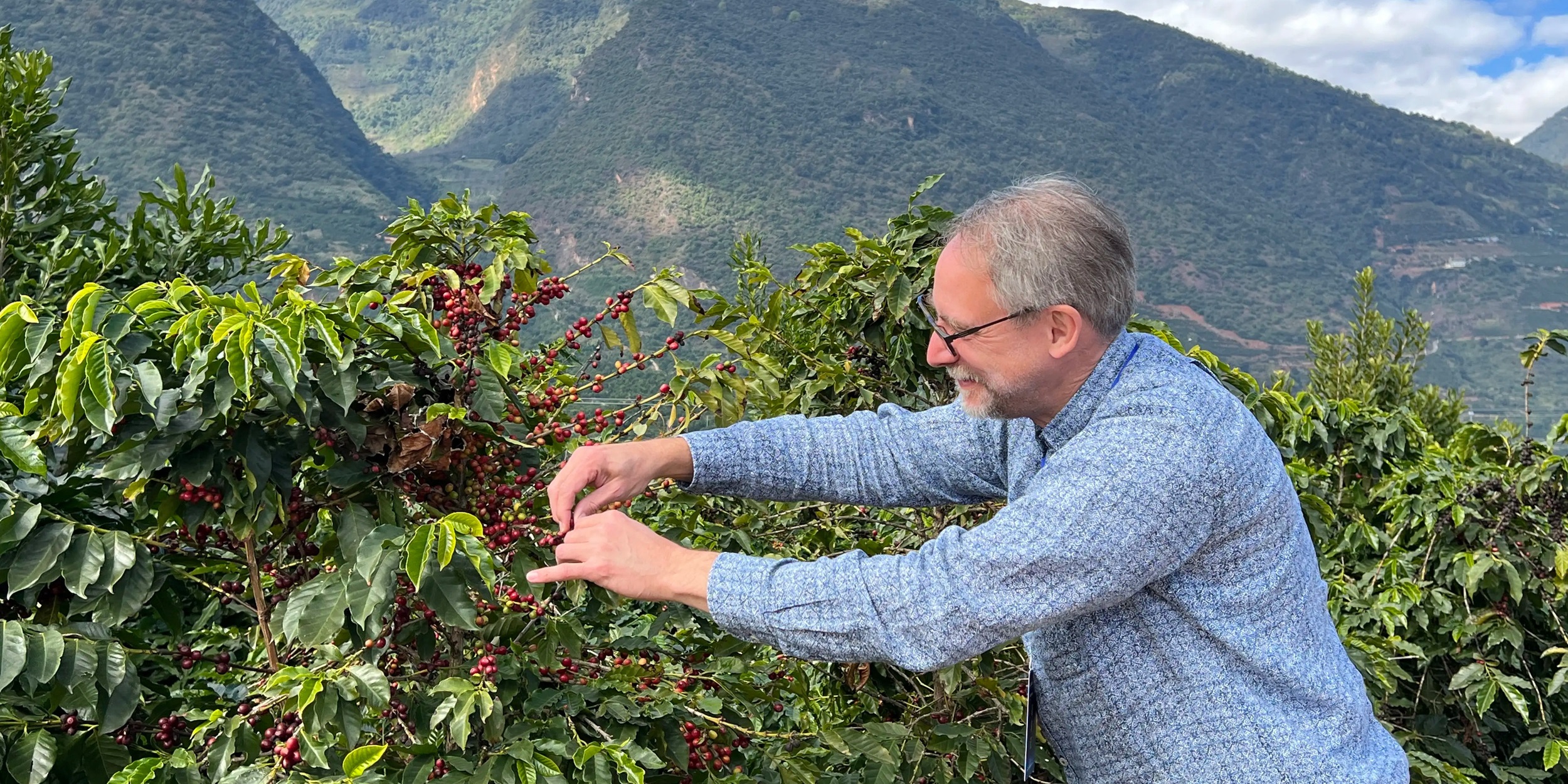
咖农刚摘下的咖啡果。高吴双摄
李守岭认为,理解中式咖啡,首先要回到云南咖啡区别于全球其他产区的独特历史底色。云南咖啡已形成双源民间引种——农垦拓荒——本土科研品种技术自主——多民族全民共生的独一无二完整发展链条。
如今,云南全省咖啡种植面积约150万亩,年产咖啡豆17万吨左右,占全国95%以上,产品远销40多个国家和地区。深厚的产业积淀,为中式咖啡提供了坚实的基础。
在云南,咖啡早已走进村寨,融入民族文化,在漫长时间里被赋予本土的喝法与记忆。
中式咖啡要更接近中国人的生活
今天的咖啡菜单上,不乏中国元素。
桂花、茶、酒酿、水果、香料……越来越多本土味道进入咖啡杯。与此同时,国风空间,中式器皿也越来越常见。但如果只是把中国元素简单叠加,中式咖啡很容易变成一种表面的视觉符号。真正的中式咖啡表达,应该更接近中国人的生活。
春有花,夏有绿,秋有果,冬有暖。中国饮食向来重视风土与时令,茶如此,饭如此,咖啡亦可如此。
云南恰好是一个极为丰富的试验场。这里有咖啡、茶、鲜花、水果、香料、中药材,还有多民族的丰富饮食传统。这些都可以成为咖啡与中国生活发生连接的入口。

保山中式咖啡体验。图源:比顿咖啡
在保山,比顿咖啡至今保留着古法咖啡制作技艺,用传统器具研磨咖啡豆,以炭火煮水,再加入云南红糖、坚果碎进行调配。这种喝法,与今天人们熟悉的拿铁、美式并不相同,却保留着云南本地人的味觉记忆。
为了让更多人了解中国传统咖啡制作方式,品味沉淀百年的咖啡文化,云南咖啡文化中心也将咖啡非遗古法加工技艺展示在了最醒目的位置。云南咖啡文化中心提出的国风咖饮概念,也是希望让咖啡与中国消费者的饮食习惯产生更深的联系,让中式咖啡可以拥有更多可能。

保山中式咖啡体验。图源:比顿咖啡
“咖啡在云南有上百年的种植饮用历史。”保山比顿咖啡有限公司总经理方明峰认为,中式咖啡并不是凭空创造一种新概念,而是要重新发现那些已经生长在中国土地和生活里的咖啡文化。咖啡是世界的,但中国咖啡走出去时,也应该带着自己的特色。
构建中国咖啡文化体系
过去,云南咖啡长期以原料出口为主,好豆卖不出好价的困境困扰业界数十年。如今,从原料输出转向品牌文化输出已成趋势。
2025年,云南咖啡精品率从2021年的8%跃升至41.7%,精深加工率从20%提升至85%。从种植端的标准建立,到加工端的产品研发,再到消费端的场景创新,云南咖啡正系统性地落地生根。

保山市新寨村咖啡鲜果水洗加工中心。杨艳鹏摄
人们曾说起咖啡,大多会想到西式咖啡馆空间。现在,这种边界逐渐被打破。在云南,咖啡可以出现在城市街角,也可以出现在山间庄园;可以摆在精品咖啡馆的吧台上,也可以放在村寨院落的一张木桌上。咖啡正融入更加真实、多样的中国生活。
云南咖啡文化中心提出打造云咖文化会客厅,同样是在寻找一种新的可能,这里既是咖啡消费空间,也是文化交流空间。人们可以喝咖啡、聊咖啡,也可以体验、品鉴、交流,让一杯咖啡成为人与人相遇的媒介。
当下,到底有没有一杯适合中国人喝的咖啡?大家真正追问的并不只是一种口味,而是一种文化主体性,这也正是云南咖啡文化中心希望参与推动的事情。

云南农业大学热带作物学院咖啡专业学生在咖啡认知课上体验咖啡杯测。胡超摄
按照规划,中心将连接高校、企业、研究机构、行业组织、媒体等多方力量,搭建一个开放平台,让更多人共同讨论、丰富和塑造“中式咖啡”的概念。
李守岭认为,云南咖啡是中外文明交流、边疆各民族共生、中国科技自力更生的结晶。可以以弄贤和朱苦拉引种、农垦拓荒、科研种业自立、多民族共生四大本土素材为叙事内核,建立起独特咖啡文化体系。
回望云南咖啡的百年旅程,这颗豆早已不再是舶来品,而是扎根于中国西南山水间的本土风物。
当来自云南的一杯咖啡,既能让人品出远山的阳光与雨露,又能让人感到邻家炊烟般的温暖与亲切,这或许便是世界咖啡在中国土地上写下的最动人的答案。期待这杯咖啡,能以从容的姿态,在世界的杯盏中,冲泡出属于东方的回甘。
云南网记者 张琦敏
How can a cup of coffee taste Chinese?
Adding local ingredients such as Pu erh tea, osmanthus, and tangerine peel, or replacing the container with a covered bowl, blue and white porcelain, Jianshui purple pottery, or decorating the coffee shop with a more Eastern flavor... These are all expressions of Chinese coffee.
But what exactly is Chinese coffee? The answer may not be a recipe sheet, but a fresh reflection on how Chinese people understand coffee, grow coffee, drink coffee, and express coffee.
The Yunnan Coffee Culture Center is about to open. Photo by Liu Yangming
On August 19th, the Yunnan Coffee Culture Center, jointly initiated by Yunnan Daily Press Group, Yunnan Agricultural University, Yunnan Net, Baoshan Bidun Coffee Co., Ltd. and other units, will officially kick off. The center will focus on "World Coffee · China Expression" and develop Chinese style coffee that represents Chinese quality, style, characteristics, and highlights Chinese cultural attributes. Through cultural empowerment, consumption leadership, business promotion, and market expansion, it will strengthen the cloud coffee consumer brand and help Yunnan coffee better go national and global.
What kind of coffee can allow people to taste the Chinese lifestyle, aesthetic style, and cultural temperament in one cup, will become a new proposition for Yunnan's coffee industry.
What has coffee become in China?
Coffee is a global beverage, not limited to a single expression.
Italians build their own coffee culture with espresso, Türkiye coffee retains its unique brewing tradition, and Japanese tea shops form another delicate and quiet coffee aesthetics.
The same coffee bean entering different regions will always collide with the local people's dietary habits and lifestyle, ultimately leading to different appearances.
The Yunnan Coffee Culture Center is about to open. Photo by Liu Yangming
So, what should Chinese coffee be like?
In Yunnan, coffee has been associated with local life for over a hundred years. In 1893, Dehong Ruili Nongxianzhai introduced coffee and relied on the natural spread of border trade among the people; In 1904, the French brought coffee seedlings to Zhukula in Binchuan, Dali, preserving the only intact century old coffee forest in the country.
Most mainstream coffee producing areas around the world have been introduced through colonization, but from the development history of Yunnan coffee, there are two early independent sources of introduction: Dehong Ruili Nongxianzhai and Dali Binchuan Zhukula. "Li Shouling, director of the Dehong Tropical Agricultural Science Research Institute in Yunnan Province, introduced that the former is an introduction path for cross-border ethnic minority folk exchanges, while the latter is a product of the integration of foreign culture and southwestern rural areas. Both are the results of spontaneous cultural exchanges, and this period of folk spontaneous dissemination history is a Chinese historical background that no coffee producing area has.
Nujiang Coffee Plantation Base. Source: Yunnan Daily
Yunnan coffee producing areas are home to more than ten generations of ethnic groups, including Jingpo, Dai, De'ang, Yi, Lahu, and Wa. Each ethnic group has integrated millennium old mountain farming wisdom into coffee production, forming a diverse and integrated industrial culture.
At the planting end, various ethnic groups have developed three-dimensional understory intercropping characteristic models such as forest coffee, tea coffee, and grain coffee, forming ecologically sustainable local cultivation forms.
On the processing side, Yunnan Coffee draws on traditional food processing techniques such as Pu'er tea, red wine, and pickled foods to develop coffee products that meet market demand and have regional characteristics.
In terms of culture, the Jingpo and Dai ethnic groups have developed coffee themed ethnic meals, while the Wa ethnic group has used coffee peels to develop intangible cultural heritage brocade cultural and creative industries... Coffee has become a material carrier for communication, exchange, and integration among various ethnic groups in border areas.
The coffee fruit just picked by the coffee farmer. Gao Wu Shuang Photography
Li Shouling believes that to understand Chinese coffee, we must first return to the unique historical background that sets Yunnan coffee apart from other global coffee producing regions. Yunnan coffee has formed a unique and complete development chain of dual source folk introduction, agricultural cultivation and pioneering, independent local scientific research varieties and technologies, and multi-ethnic and national symbiosis.
Nowadays, the coffee planting area in Yunnan Province is about 1.5 million acres, with an annual output of about 170000 tons of coffee beans, accounting for more than 95% of the country's total. The products are exported to more than 40 countries and regions. The profound industrial accumulation provides a solid foundation for Chinese coffee.
In Yunnan, coffee has already entered villages and integrated into ethnic culture, and has been endowed with local drinking methods and memories for a long time.
Chinese coffee should be closer to the lives of Chinese people
There are many Chinese elements on today's coffee menu.
Osmanthus, tea, wine, fruit, spices... more and more local flavors enter the coffee cup. At the same time, Chinese style vessels are becoming increasingly common in Chinese style spaces. But if Chinese elements are simply overlaid, Chinese coffee can easily become a superficial visual symbol. The true expression of Chinese coffee should be closer to the lives of Chinese people.
Spring has flowers, summer has greenery, autumn has fruits, and winter has warmth. Chinese cuisine has always attached great importance to local customs and seasons, such as tea, rice, and coffee.
Yunnan happens to be an extremely rich testing ground. Here, there are coffee, tea, flowers, fruits, spices, traditional Chinese medicine, as well as rich culinary traditions of multiple ethnic groups. These can all become entry points for coffee to connect with Chinese life.
Experience Baoshan Chinese style coffee. Image source: Biton Coffee
In Baoshan, Bitun Coffee still retains the ancient coffee making techniques, using traditional tools to grind coffee beans, boiling water over charcoal fire, and then adding Yunnan brown sugar and crushed nuts for blending. This drinking method is different from the latte and American style that people are familiar with today, but it retains the taste memory of the local people in Yunnan.
In order to enable more people to understand the traditional Chinese coffee making methods and taste the century old coffee culture, Yunnan Coffee Culture Center has also showcased the ancient processing techniques of coffee intangible cultural heritage in the most prominent position. The concept of Chinese style coffee drinks proposed by Yunnan Coffee Culture Center also aims to establish a deeper connection between coffee and the dietary habits of Chinese consumers, and to provide more possibilities for Chinese style coffee.
Experience Baoshan Chinese style coffee. Image source: Biton Coffee
Coffee has a history of over a hundred years of cultivation and consumption in Yunnan, "said Fang Mingfeng, the general manager of Baoshan Bidun Coffee Co., Ltd. Chinese coffee is not a new concept created out of thin air, but a rediscovery of the coffee culture that has already grown in Chinese land and life. Coffee is global, but when Chinese coffee goes out, it should also bring its own characteristics.
Building a Chinese coffee culture system
In the past, Yunnan coffee was mainly exported as raw materials for a long time, and the dilemma of not being able to sell good beans at a good price has plagued the industry for decades. Nowadays, shifting from exporting raw materials to exporting brand culture has become a trend.
In 2025, the premium coffee rate in Yunnan will soar from 8% in 2021 to 41.7%, and the deep processing rate will increase from 20% to 85%. From establishing standards at the planting end, to product research and development at the processing end, and to innovative scenarios at the consumer end, Yunnan coffee is systematically taking root.
Baoshan Xinzhai Village Coffee Fresh Fruit Washing Processing Center. Photo by Yang Yanpeng
When people talk about coffee, they mostly think of Western style caf é spaces. Now, this boundary is gradually being broken. In Yunnan, coffee can appear on city streets or in mountain estates; It can be placed on the bar counter of a boutique caf é or on a wooden table in the village courtyard. Coffee is integrating into a more authentic and diverse Chinese lifestyle.
The Yunnan Coffee Culture Center proposed to create a Yunnan Coffee Culture Reception Room, which is also seeking a new possibility. This is not only a coffee consumption space, but also a cultural exchange space. People can drink coffee, chat about coffee, experience, taste, and communicate, making a cup of coffee a medium for people to meet each other.
Is there a cup of coffee suitable for Chinese people to drink at present? What people are really asking about is not just a taste, but a cultural subjectivity, which is exactly what Yunnan Coffee Culture Center hopes to participate in promoting.
Coffee students from the School of Tropical Crops at Yunnan Agricultural University experience coffee cup testing during their coffee awareness class. Photo by Hu Chao
According to the plan, the center will connect various forces such as universities, enterprises, research institutions, industry organizations, and media to build an open platform for more people to discuss, enrich, and shape the concept of "Chinese style coffee" together.
Li Shouling believes that Yunnan coffee is the crystallization of the exchange of Chinese and foreign civilizations, the coexistence of various ethnic groups in the border areas, and China's self-reliance in science and technology. A unique coffee culture system can be established based on the four local materials of Nong Xian and Zhu Kula's introduction, agricultural cultivation and pioneering, independent scientific research and seed industry, and multi-ethnic coexistence.
Looking back at the century long journey of Yunnan coffee, this bean is no longer an imported product, but a local delicacy rooted in the mountains and waters of southwestern China.
When a cup of coffee from Yunnan not only brings out the sunshine and rain of distant mountains, but also makes people feel the warmth and familiarity of neighbors' cooking smoke, this may be the most touching answer that world coffee has written on Chinese soil. I look forward to brewing this cup of coffee with ease, in the cups of the world, to brew the sweetness that belongs to the East.
Yunnan Net reporter Zhang Qimin